
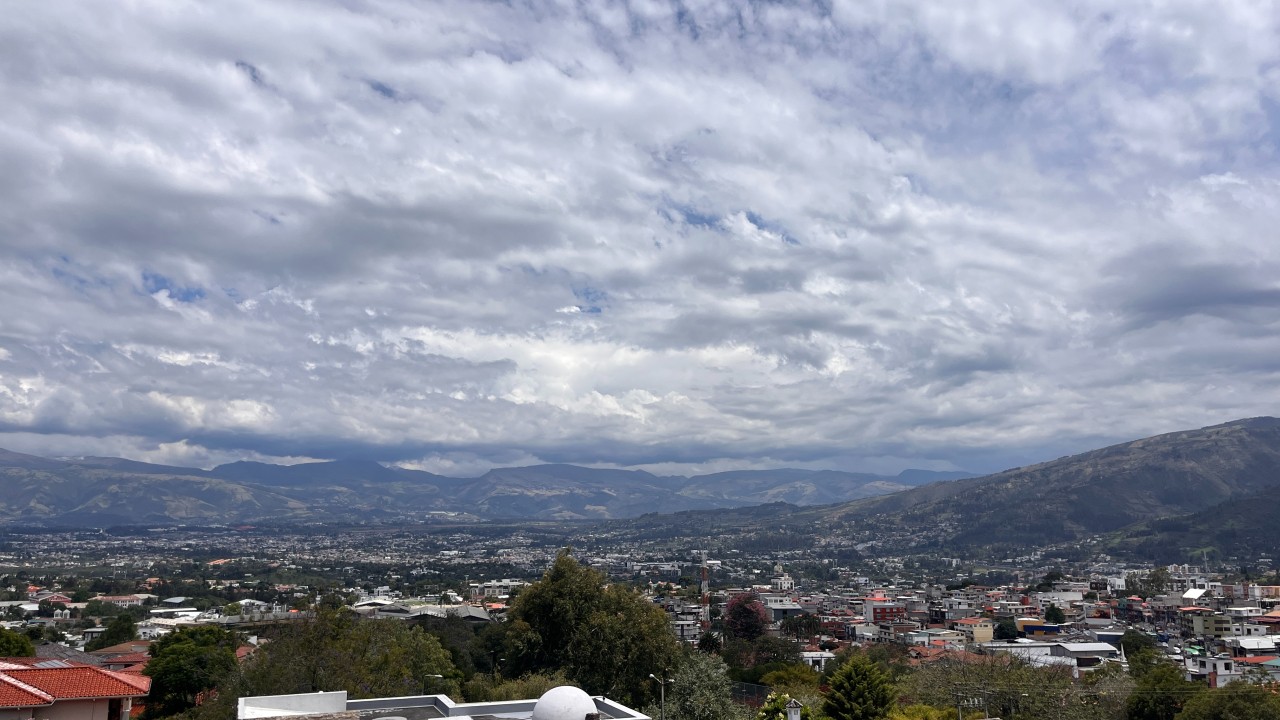
On the slopes of the Andes, in a city that straddles the equator, leaders from the world’s top research universities gathered together to talk about something increasingly rare: cooperation.
The occasion was the Senior International Leaders’ Meeting (SILM) of the Association of Pacific Rim Universities (APRU), hosted by the Universidad San Francisco de Quito (USFQ)–a campus whose open courtyards and free-spirited energy seemed to mirror the ideals of curiosity, dialogue, and the global exchange of ideas.
For Pusan National University (PNU), the gathering marked more than a meeting. It was, as Dr. Chang-Hwan Lee, PNU’s Vice President for International Affairs, described it, “a bridge to a part of the world we had not yet truly connected with.”
“Pusan National University has had limited exchanges with universities in Latin America,” Vice President Lee said.
“But through this SILM, we were able to lay the groundwork for meaningful collaboration with institutions in Ecuador, Mexico, and Chile.”
If APRU’s mission is to act as a “meta-university,” then moments like these are its living proof.
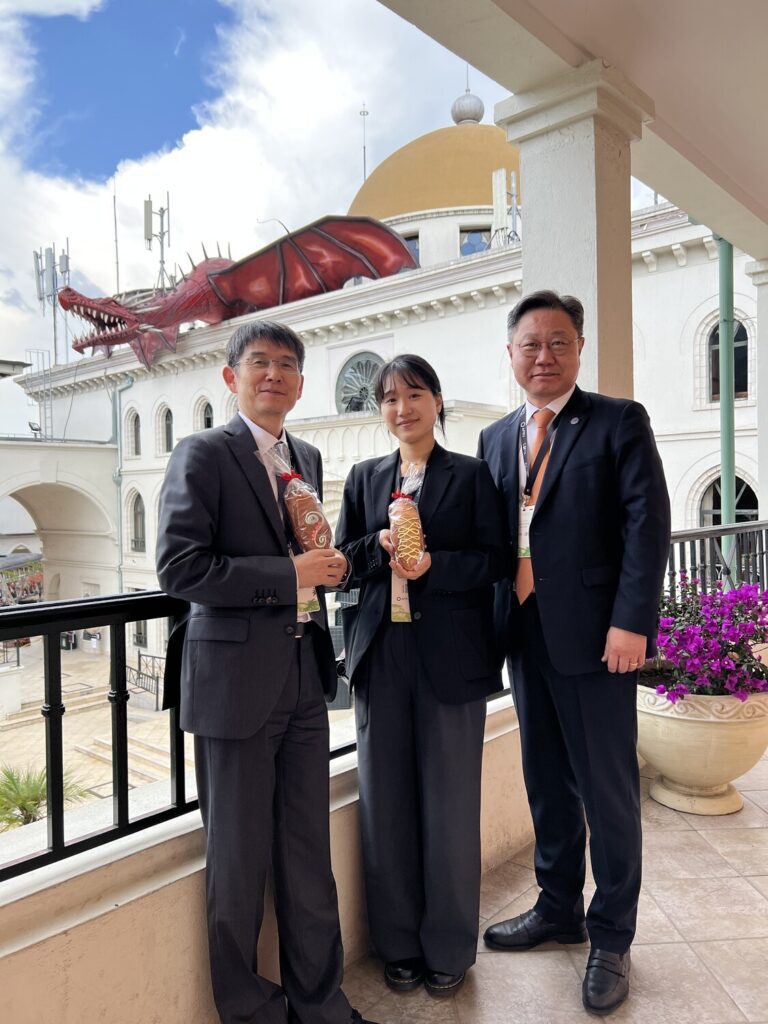
The PNU Team at SILM
A Meeting of Minds–and Cultures
Vice President Lee spoke with a scientist’s appreciation for structure but a traveler’s wonder for spontaneity. What struck him most about USFQ, he said, was not just the partnerships signed but the spirit in which they were forged.
“The atmosphere was incredibly free and comfortable,” he said. “Formalities faded away. We sat together as equals–scientists and administrators–talking about how to expand research and educational opportunities for our researchers and students. And that freedom made room for truly creative ideas.”
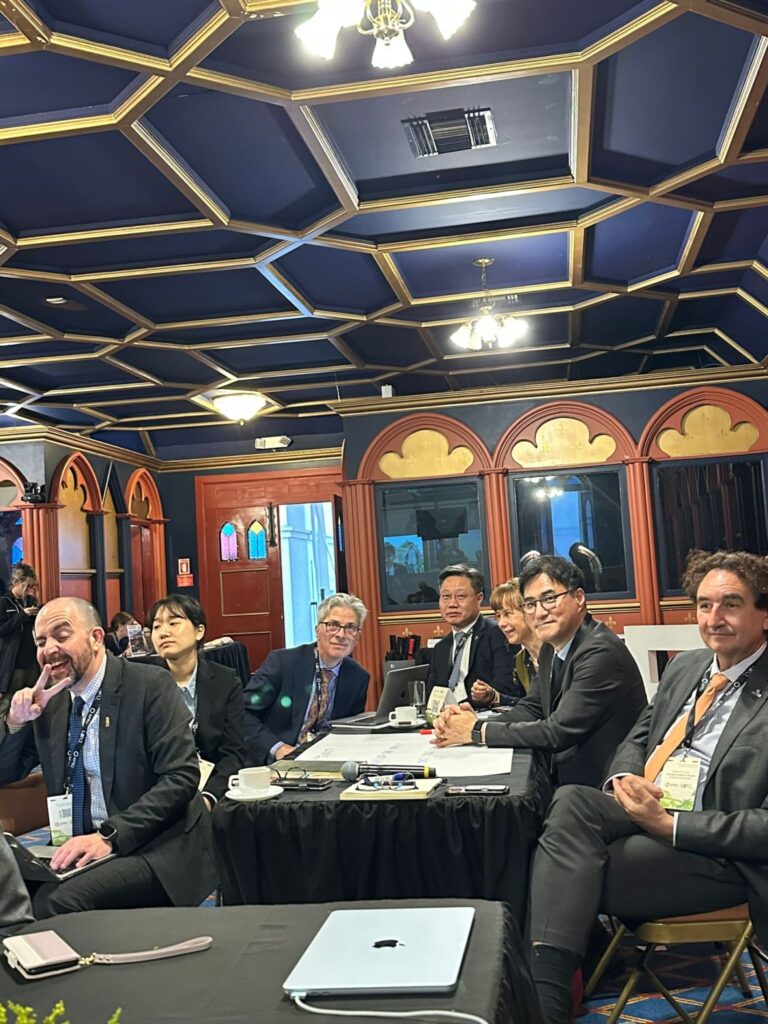
Scenes from SILM discussions
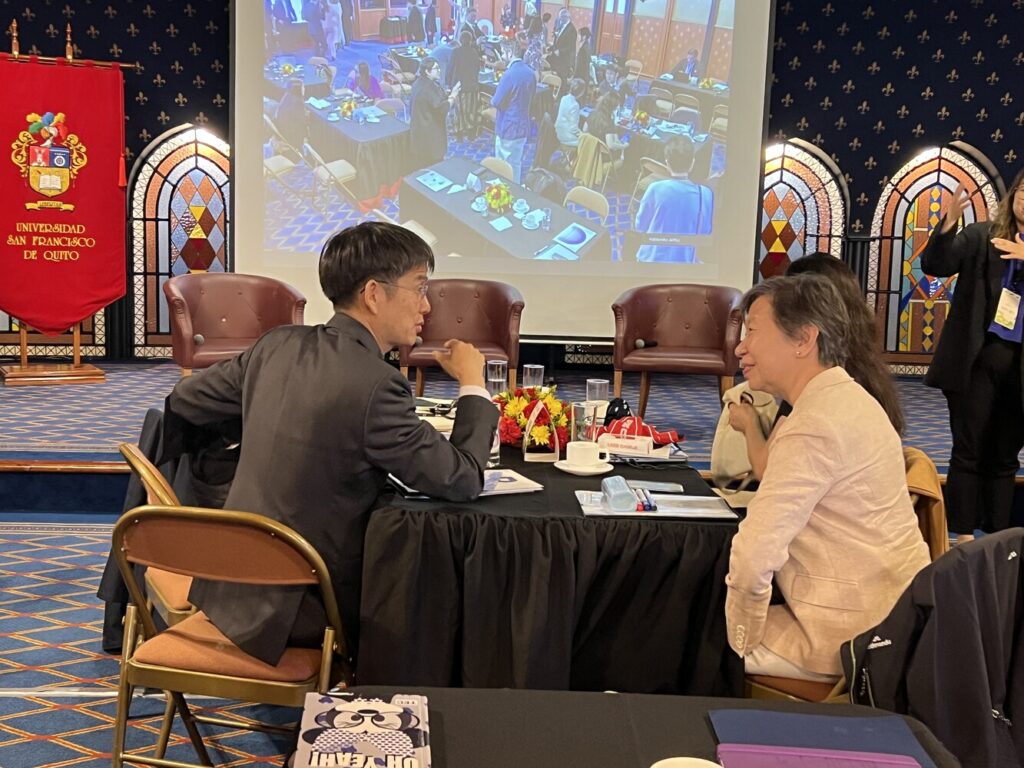
Scenes from SILM discussions
It was, he added, a freedom that seemed written into the DNA of USFQ itself. Founded by three physicists, the university proudly displays Maxwell’s equations on its emblem–a detail that resonated deeply with Vice President Lee, himself a physicist by training.
“As a fellow physicist, I was captivated by that,” he said with a smile. “Their openness, their confidence, their refusal to hide who they are–it was inspiring.”
That same spirit pervades the campus. USFQ students in the culinary arts cooked and served dinner alongside their professors, who acted as chefs and mentors. The event captured what Vice President Lee described as “the Latin American freedom of spirit–unreserved, warm, and alive.”
Diversity at 3,000 Meters
USFQ’s campus, perched high in the Andean foothills, reflects the biodiversity of Ecuador itself. Marble statues of David stand beside buildings in Spanish colonial and modernist styles, while students from around the world fill the walkways.
“Ecuador’s geography ranges from beaches to mountains over 4,000 meters high,” Vice President Lee noted. “It’s one of the most biodiverse regions in the world–and perhaps it’s no coincidence that USFQ’s culture of openness mirrors that natural diversity.”
He observed that the university’s international collaborations are not symbolic gestures but systematically organized, particularly in fields like biology and environmental science. “Their approach to recruiting international scholars was remarkably sophisticated.” he added.
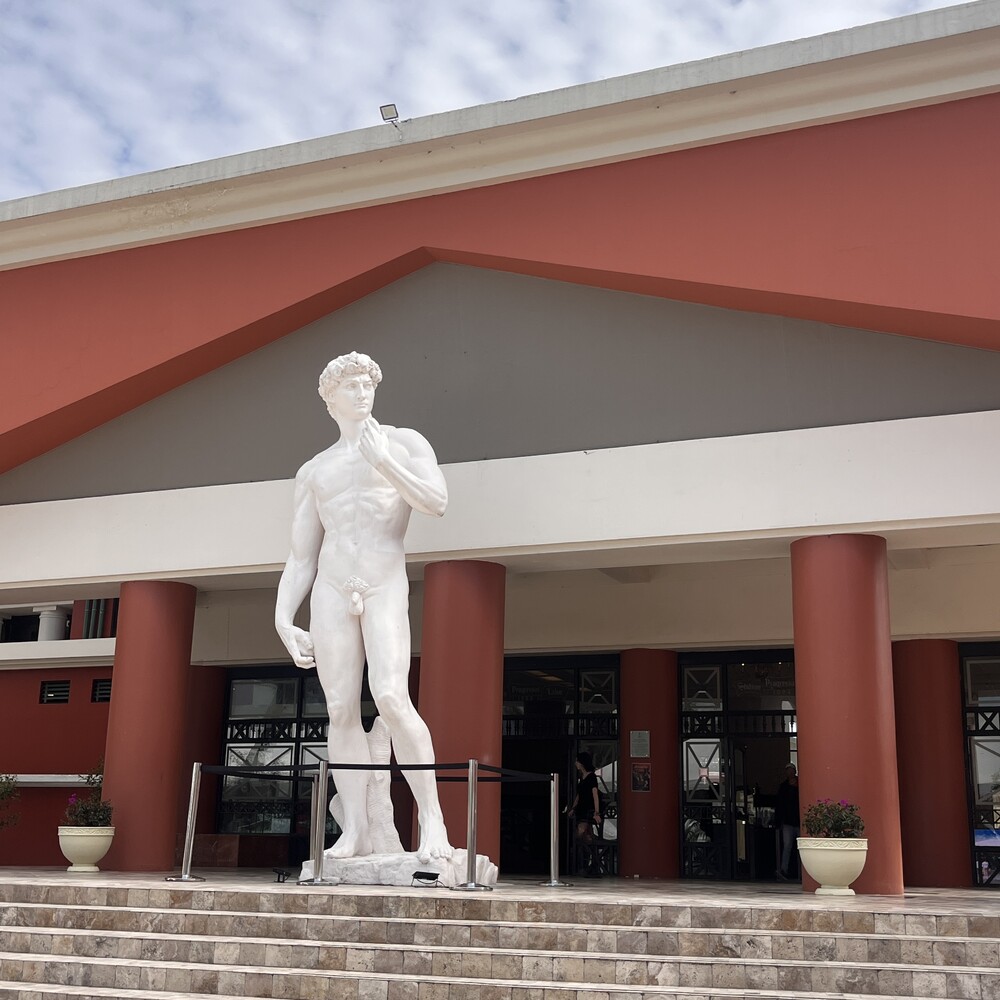
Statue of David on USFQ campus
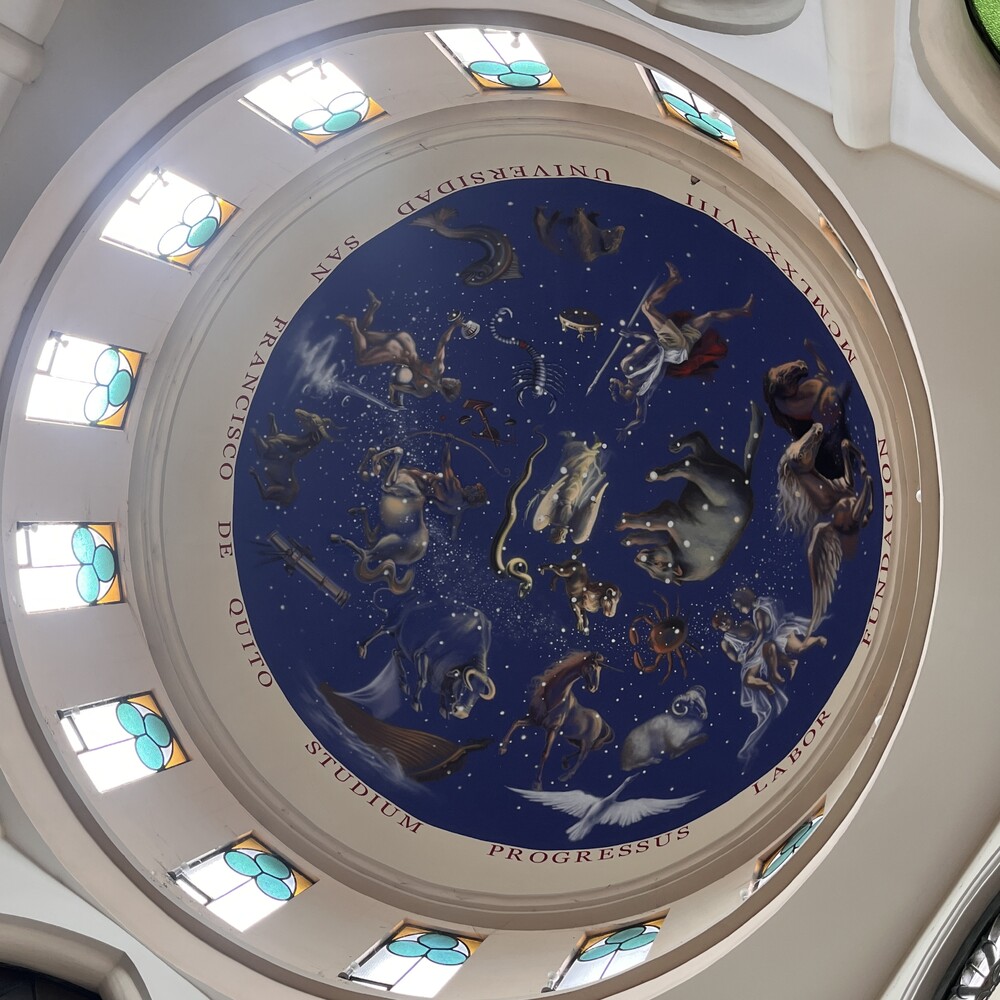
Artwork displayed in USFQ
A Korean Perspective on a Global Future
For Pusan National University, the gathering also carried domestic implications. Back in Seoul, the Korean government is preparing an ambitious “Top 10 National Universities Initiative,” aimed at strengthening research funding and specialization across national universities.
“This initiative will increase support for national universities and foster specialized areas of excellence,” Vice President Lee explained. “Through the SILM, PNU hopes to align this national effort with global networks like APRU, so that Korean universities can help solve national and regional challenges while opening new doors for students and researchers.”
In this vision, universities like PNU and USFQ are not just institutions but connectors between worlds–between East Asia and Latin America, between science and humanity, between tradition and innovation.
“The beauty of APRU,” Vice President Lee said, “is that it gives us a space to think beyond nations. It reminds us that our shared challenges–climate, sustainability, education–requires shared solutions.”
Toward the Splendid City
As the conference closed with a toast prepared by USFQ’s own culinary students, the symbolism was not lost on anyone. The meal was local, the conversation global, and the spirit quietly defiant of the divisions shaping much of the world beyond the campus gates.
And for Pusan National University, perched on the opposite edge of the Pacific, that city might be a little closer than before.
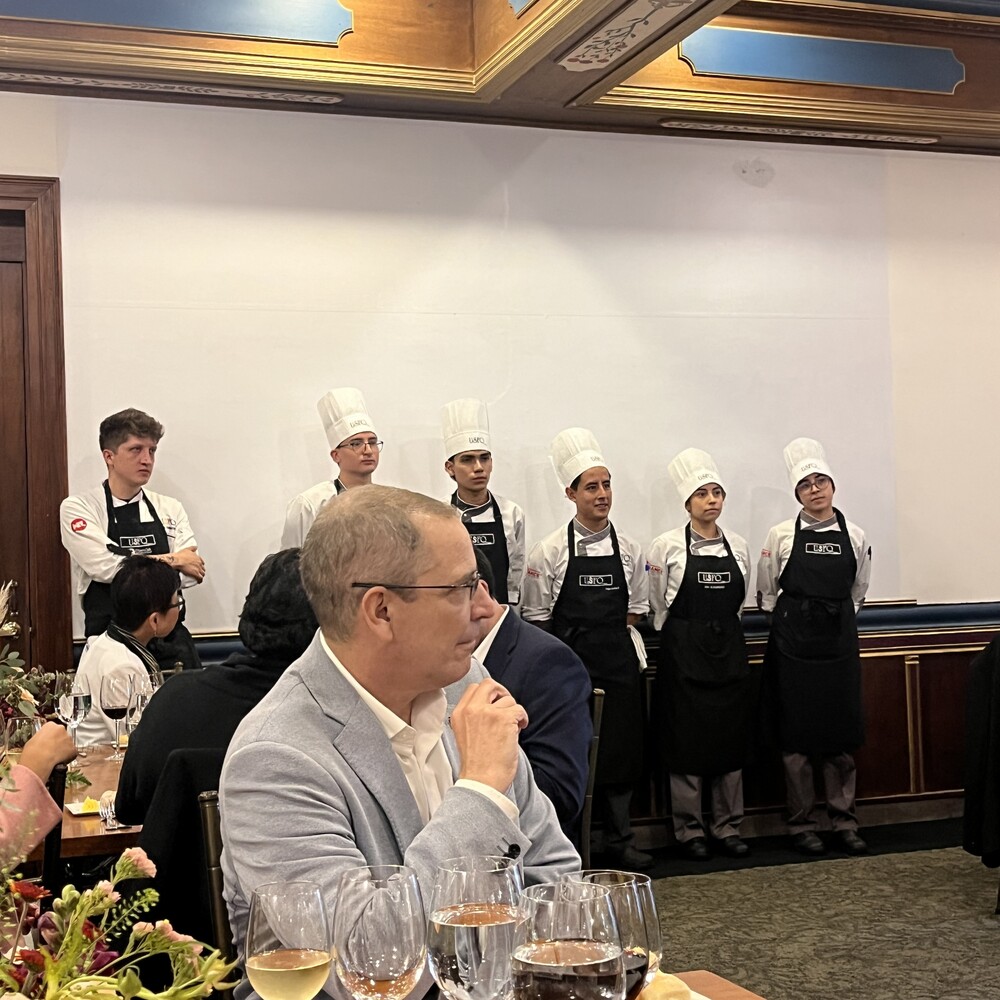
Culinary arts students at USFQ