
Introduction
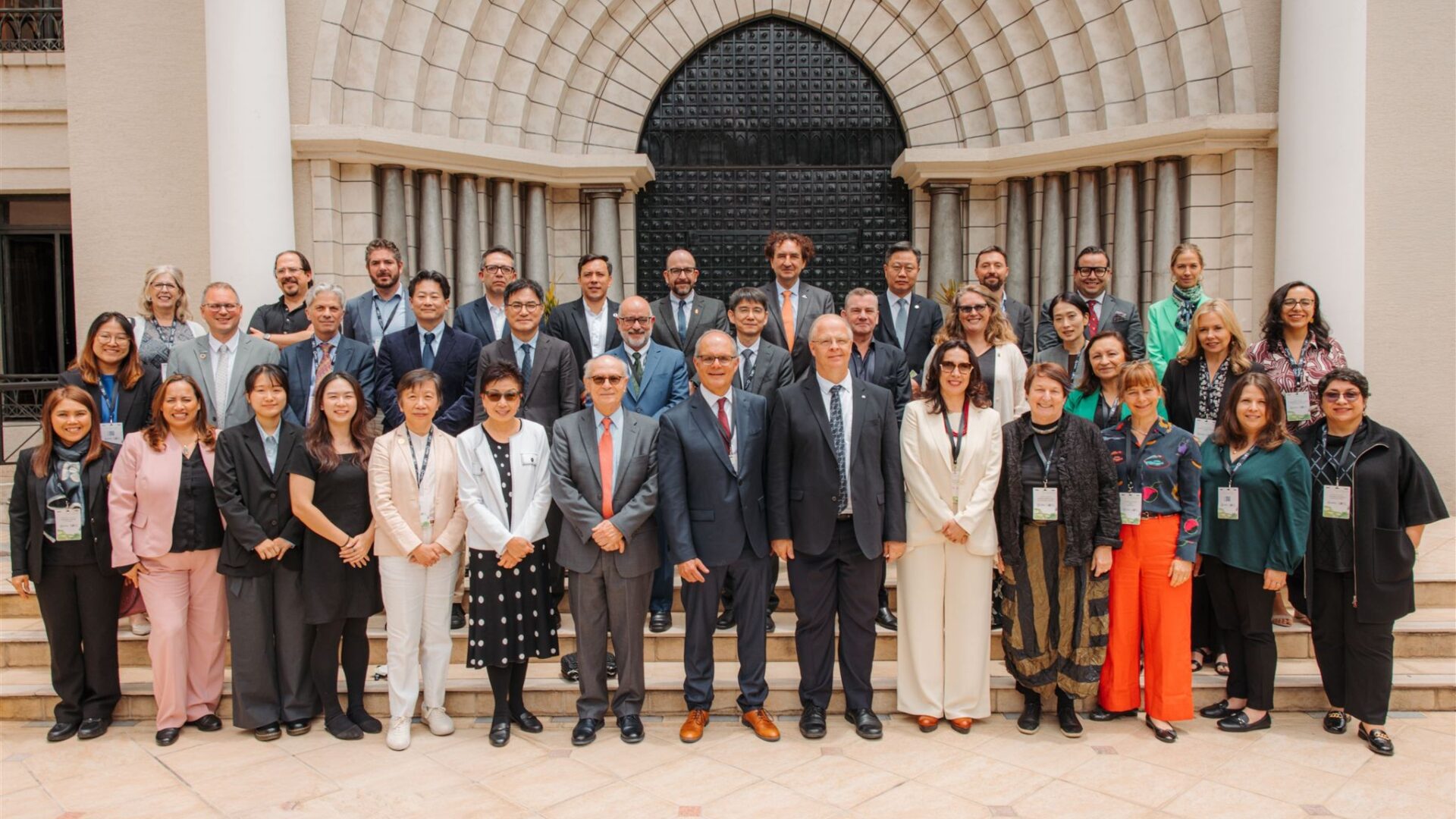
APRU Senior International Leaders have convened at Universidad San Francisco de Quito (USFQ), October 15-17 for the Senior International Leaders’ Meeting (SILM). The annual gathering of senior international leaders focused on the theme “Global range, local change: educational diplomacy and social impact.” The meeting not only inspires collaboration, shares best practices, and explores new strategies to enhance the transformative impact of universities across the Asia-Pacific region, but also positions these efforts as vital pathways for the internationalization of higher education.
This 2025 event featured keynote addresses, panel discussions, workshops, and the International Advisory Committee meeting, alongside invaluable networking opportunities. With over 30 Senior International Leaders and 15 universities from 11 economies the convening encouraged global engagement, cross-border academic partnerships, and the development of a student and faculty network with a truly international outlook.
Opening Ceremony
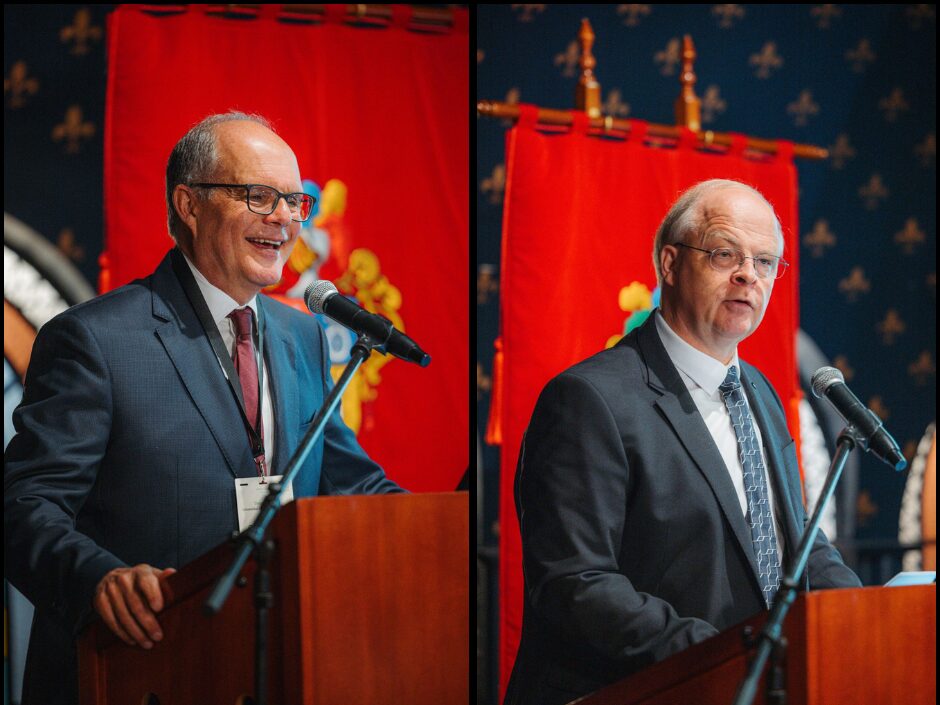
Prof. Diego Quiroga, President of Universidad San Francisco de Quito welcomed participants to Quito, “Now more than ever, universities must take an active role in building bridges across regions, cultures, and disciplines. Hosting this gathering of academic leaders reaffirms USFQ’s commitment to internationalization, sustainability, research connections that foster innovation, and the education of global citizens who will positively transform our societies.”
Prof. Thomas Schneider, Chief Executive of APRU opened the meeting with gratitude, “APRU is deeply grateful to Universidad San Francisco de Quito for hosting the 2025 Senior International Leaders’ Meeting in the historic city of Quito. Their commitment to educational diplomacy and sustainability reflects the spirit of APRU, and their generosity has created a truly inspiring setting for global leaders to collaborate on locally impactful solutions.”
With the theme focused on educational diplomacy and social impact, Prof. Schneider brought attention to the important role that universities have within society to overcome challenges to global connectivity, “The mission of APRU as a mechanism of educational diplomacy is more urgent than ever. Our network fosters transnational collaboration and dialogue, driving social transformation through locally tailored solutions.” Prof. Schneider outlined three key abilities of APRU: amplifying knowledge creation, enhancing transnational connectivity through educational diplomacy, and building a cohesive global community. He shared the concept of a “Meta University” to describe APRU’s collective research power and its role in fostering collaboration among member institutions.
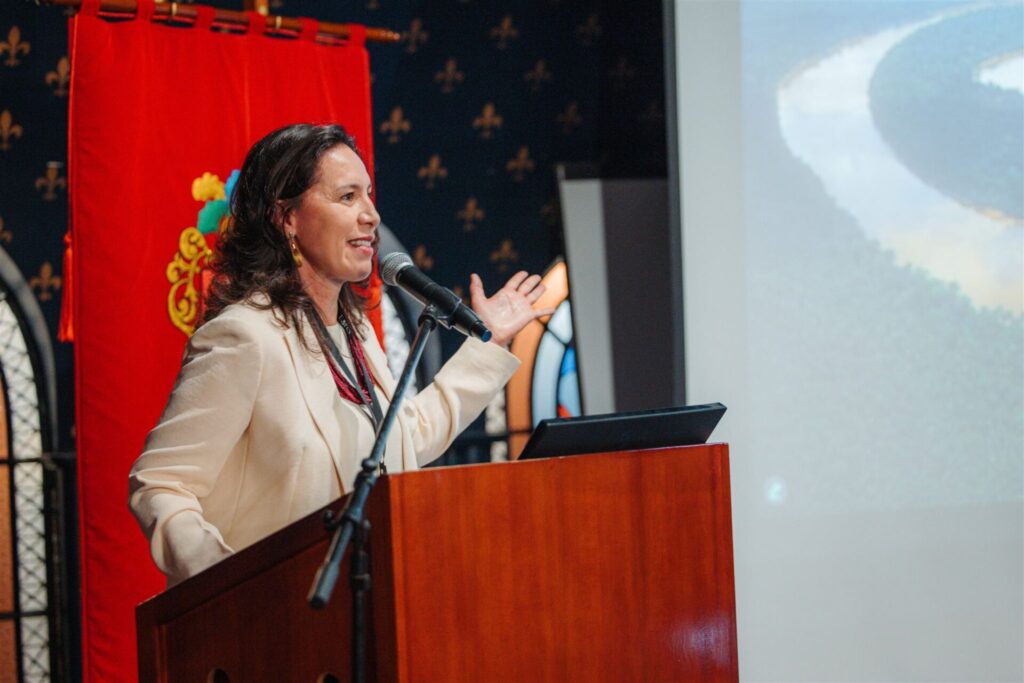
The keynote speaker, Prof. Andrea Encalada, Provost, USFQ shared her perspective on the importance of collaboration in research, particularly in sustainable cities, global health, and indigenous knowledge, while introducing ongoing research on the Amazon River Basin. As a researcher in freshwater ecology and biodiversity, Prof. Encalada’s research emphasizes the ecological significance of the region and the threats it faces from environmental degradation due to activities like mining and deforestation.
USFQ has been actively engaging in several international projects aimed at addressing challenges in the Amazon. One prominent initiative is the Science Panel for the Amazon, where USFQ collaborates with scientists across various countries to synthesize research and propose solutions for the basin’s environmental issues. Additionally, the Tiputini Biodiversity Station serves as a research hub in partnership with international institutions, focusing on monitoring biodiversity and aquatic ecosystems. USFQ also participates in the Amazon Waters Alliance, which comprises over 30 organizations dedicated to sustainable water management and conservation strategies.
Reimagining Global Engagement: Higher Education’s Changing Horizon
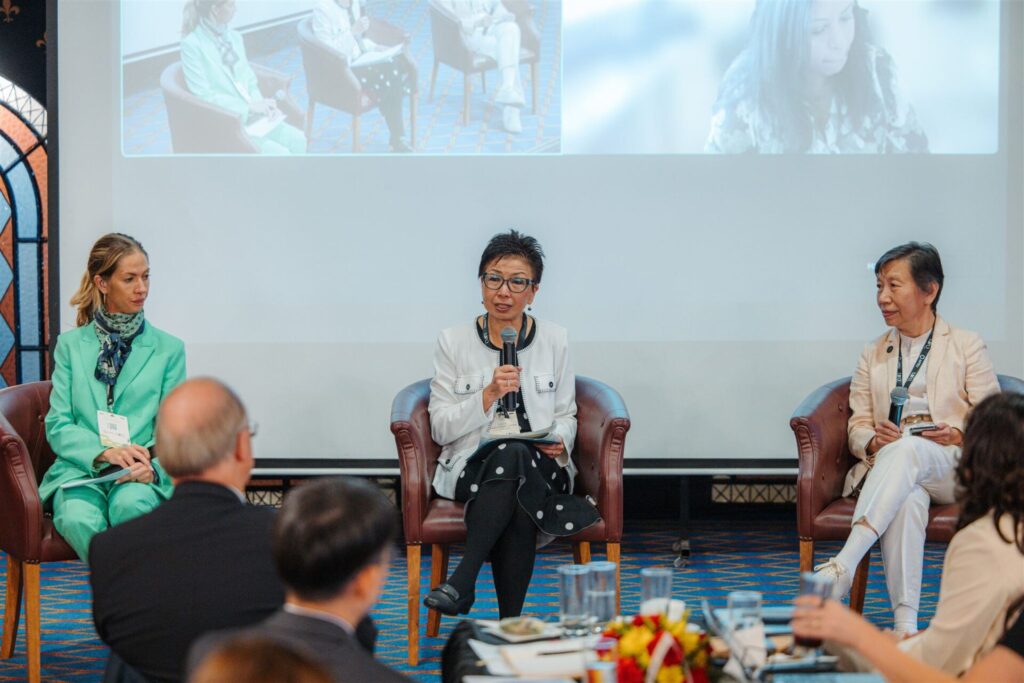
In the interactive workshop “Reimagining Global Engagement: Higher Education’s Changing Horizon,” by Prof. Cindy Fan of UCLA facilitated the discussion to rethink the evolving definition of global engagement in higher education amid shifting geopolitical landscapes. The session featured a thought-provoking presentation by Vinitha Gengatharan from Simon Fraser University, who outlined how the meaning of internationalization is being redefined across diverse geographies and economies.
In Vinitha’s speech, she urged institutions to integrate global engagement with their strategic imperatives, moving beyond transactional agreements to focus on transformational partnerships that address shared global challenges like climate change and health. She called for universities to lead with intention, integrity, and responsibility, ensuring that their contributions are meaningful and relevant to both local and global communities.
Discussants Prof. Lum Sau Kim (National University of Singapore), Prof. Alexandra Velasco (USFQ), and Prof. Fan herself contributed insights on institutional strategies for fostering inclusive and resilient global partnerships. Through open dialogue and shared best practices, the workshop emphasized the importance of adaptability, innovation, and collaboration in sustaining meaningful international engagement in higher education.
Enhancing Trans-Pacific Cohesion: Education Diplomacy through APRU Programs
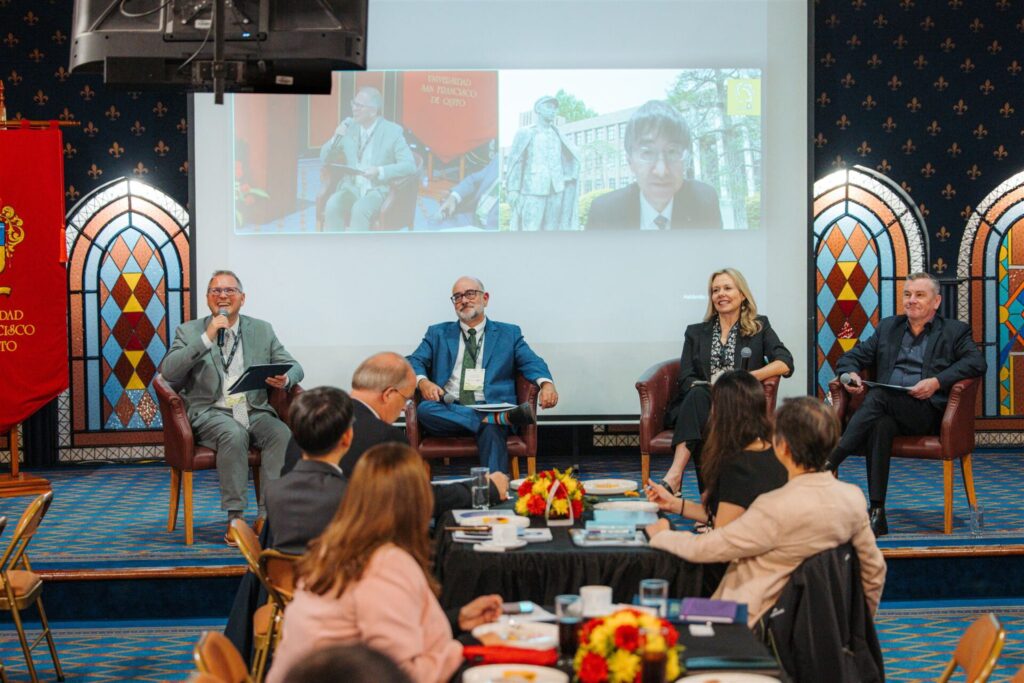
The panel moderated by Prof. Michael Lazzara (UC Davis) brought together distinguished speakers, Prof. Adrian Little (The University of Melbourne), Prof. Toshiya Ueki (Tohoku University), Prof. Dennis Galvan (University of Oregon), and Prof. Mellissa Withers (University of Southern California), to explore how universities serve as diplomatic actors. Through the lens of four flagship APRU initiatives, the Indigenous Knowledges Program, Multi-Hazards Program, Sustainable Cities and Landscapes Program, and Global Health Program, panelists shared examples of how transnational collaboration can resist isolationism, foster intercultural understanding, and navigate political and institutional sensitivities.
The session emphasized the power of networks such as APRU to build trust, resilience, and cohesion across borders, and offered practical strategies for advancing internal diplomacy within institutions. Table discussions and reflections further enriched the dialogue, reinforcing APRU’s role as a vital platform for educational diplomacy and global engagement.
Celebration of 5 years of the Asia Pacific Women in Leadership Mentoring Program
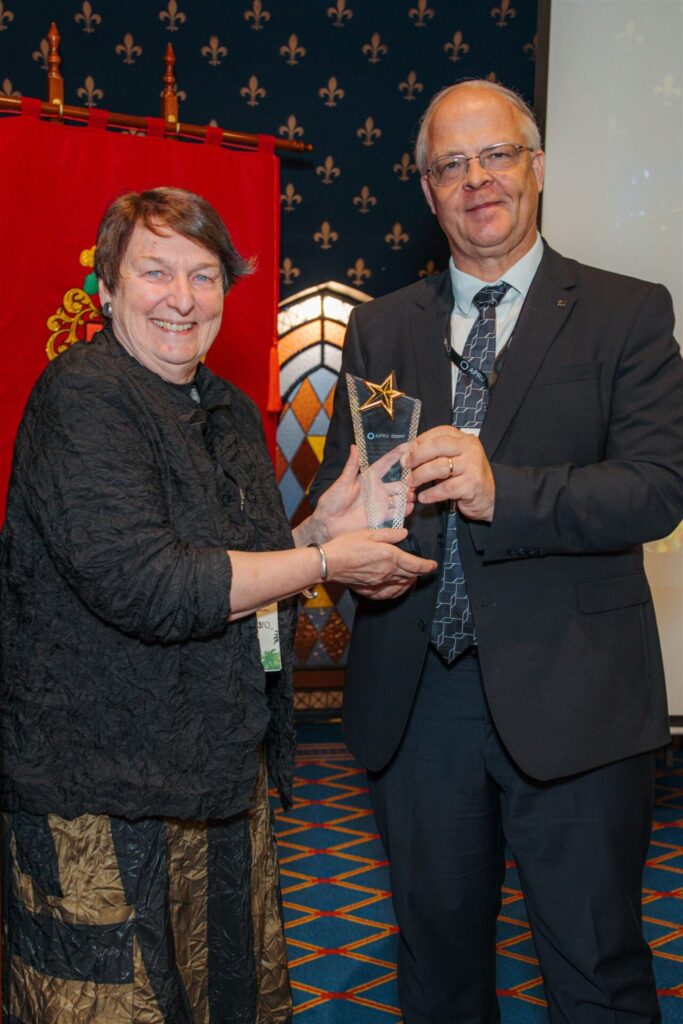
A special ceremony was held to celebrate five years of the Asia Pacific Women in Leadership (APWIL) Mentoring Program, a flagship initiative of APRU that empowers emerging women leaders across the region. The session honored the visionary leadership of Prof. Joanna Regulska, Vice Provost and Dean of Global Affairs of UC Davis and Prof. Yvonne Lim, Associate Deputy Vice-Chancellor (Academic and International) of Universiti Malaya, whose dedication has shaped the program’s success and impact. The celebration featured a presentation by Prof. Joanna Regulska, a commemorative video including remarks from Prof. Yvonne Lim, and a tribute speech by Prof. Thomas Schneider recognizing their contributions. The ceremony also welcomed the incoming Co-Directors of the APWIL Program, Karla Urrolia, National Director of Equity, Inclusion, and Belonging, Tecnológico de Monterrey and Prof. Dimitria Groutsis, Diversity, Equity and Inclusion of The University of Sydney Business School who shared reflections on the program’s transformative influence. This milestone underscores APRU’s commitment to advancing gender equity and leadership development across its network.
Creating Impact for Tomorrow: How to Educate, How to Strategize?
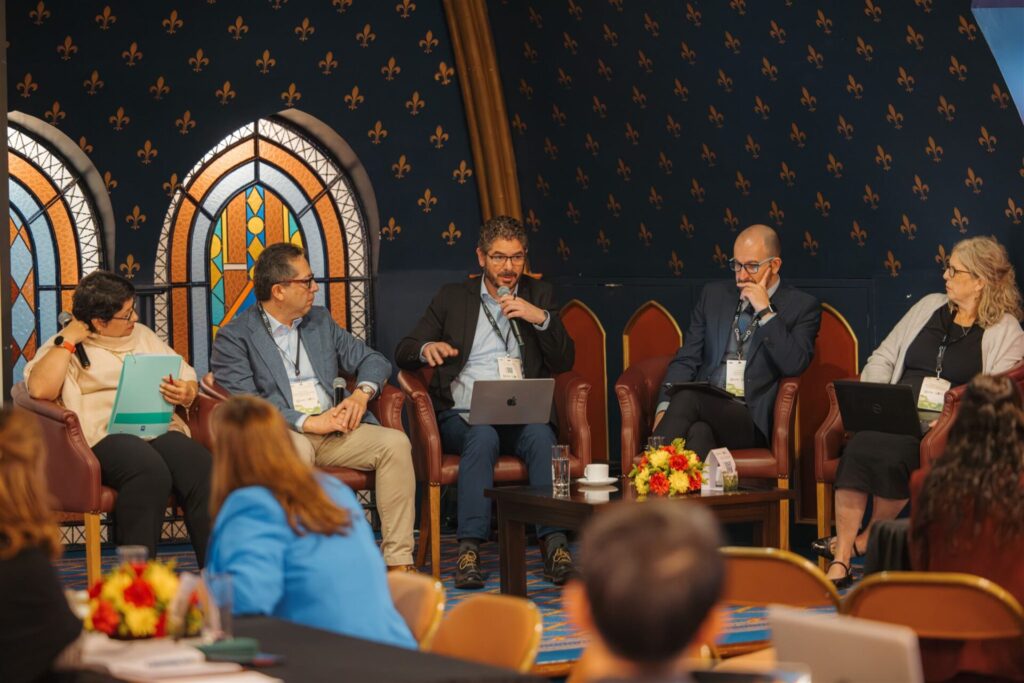
In the third and final workshop of the SILM, the session brought together international education leaders to explore how APRU programs and global initiatives are shaping student learning and institutional strategy. Moderated by Mr. Mirko Varano of Tecnológico de Monterrey, the session featured insights from Patricia Montaño (Tecnológico de Monterrey), Cheryl Dumaresq (University of British Columbia), Prof. Takako Izumi (Tohoku University), Carlos Rilling (Universidad de Chile), and Prof. Jaime López (USFQ). Panelists discussed the transformative impact of programs such as the APRU Multi-Hazards initiative and international design workshops, emphasizing the importance of strategic collaboration, innovation, and resilience in global education. The session highlighted successful consortium models and offered practical approaches for institutions to enhance student mobility , foster cross-border partnerships, and prepare learners for the complexities of tomorrow’s world.
USFQ Research Stations
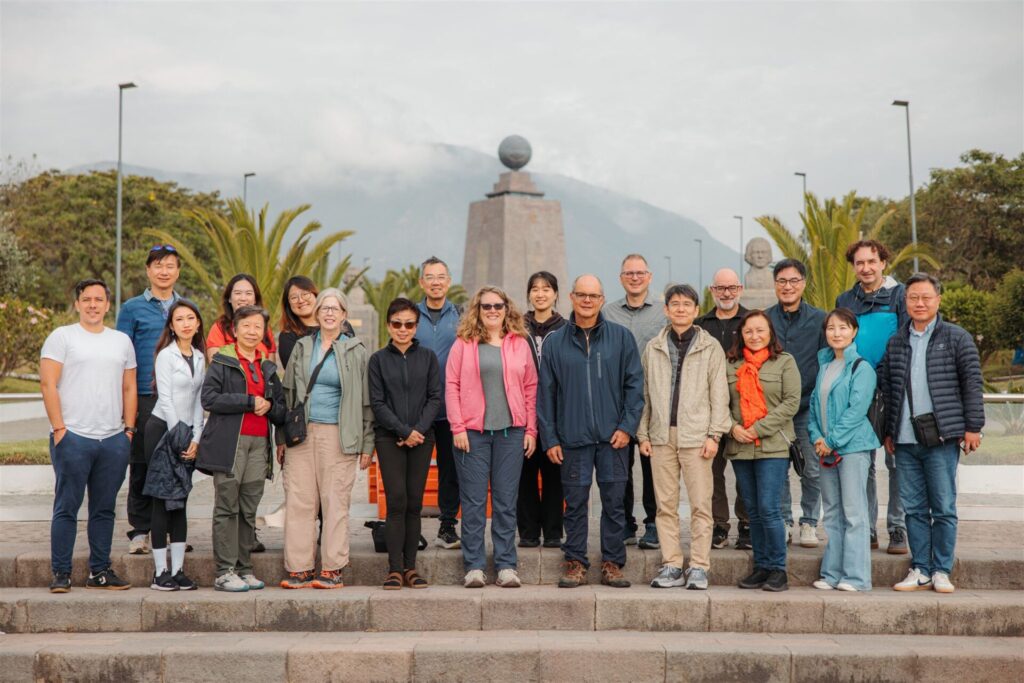
As part of the APRU Senior International Leaders’ Meeting, participants embarked on immersive field excursions to three of Universidad San Francisco de Quito’s premier research stations, each offering a unique lens into Ecuador’s extraordinary biodiversity and USFQ’s leadership in environmental research. In the Amazon Rainforest, delegates visited the Tiputini Biodiversity Station, a remote facility within the Yasuní Biosphere Reserve, where they experienced firsthand the richness of primary lowland rainforest and engaged with research on ecological resilience. In the Galápagos Islands, the group explored the Galápagos Science Center on San Cristóbal Island, a hub for international collaboration in conservation science, located steps from Playa Mann’s vibrant marine life. An optional tour before the meeting began included a journey into the Andean Cloud Forest, where the Tandayapa Cloud Forest Station, nestled in the UNESCO-recognized Chocó Andino Biosphere Reserve, showcased emblematic species such as the spectacled bear and the black-breasted puffleg. These excursions highlighted USFQ’s commitment to field-based learning and its role in advancing global understanding of ecosystem interconnectedness and sustainability.
SILM 2025 Photos
Please find photos of the Senior International Leaders’ Meeting 2025 on APRU Flickr.