
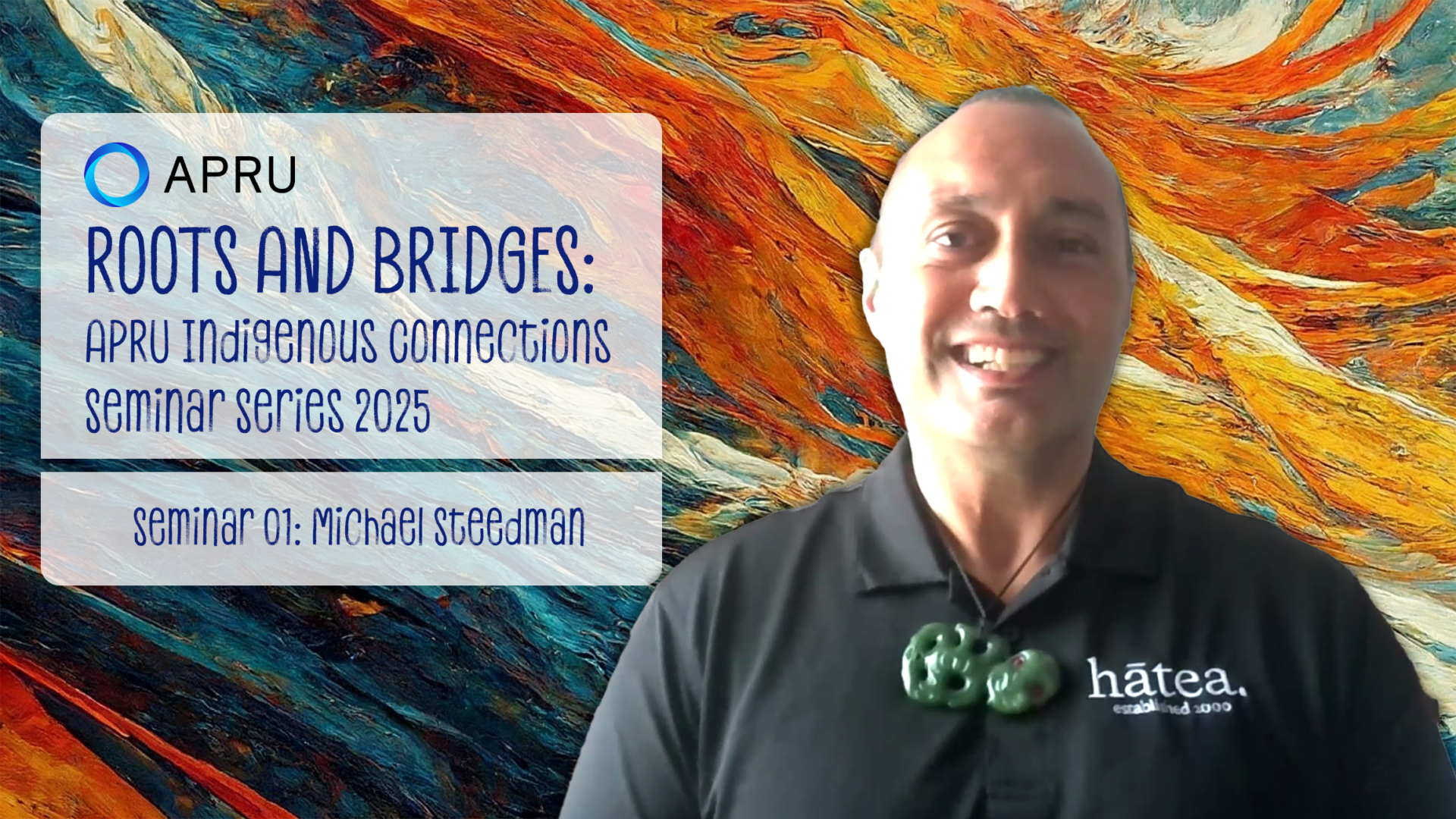
On May 29, the 2025 edition of the Roots and Bridges: APRU Indigenous Connections Seminar Series officially launched, hosted by APRU’s Indigenous and First Nations Knowledges Network. Following the success of its 2024 debut, the series returns this year to continue providing a platform for scholars and students from APRU member universities, as well as invited institutions, to share ongoing research, exchange ideas and strategies, and explore key topics related to Indigenous peoples and communities across the Asia-Pacific region.
In his opening remarks, Prof. Thomas Schneider, Chief Executive of APRU, emphasized the importance of recognizing Indigenous and First Nations communities and their traditional knowledge as vital sources of sustainable solutions, particularly in a time when addressing global challenges is a pressing priority. He also noted that universities across the APRU network are increasingly adopting this perspective through dedicated academic programs that center Indigenous knowledges.
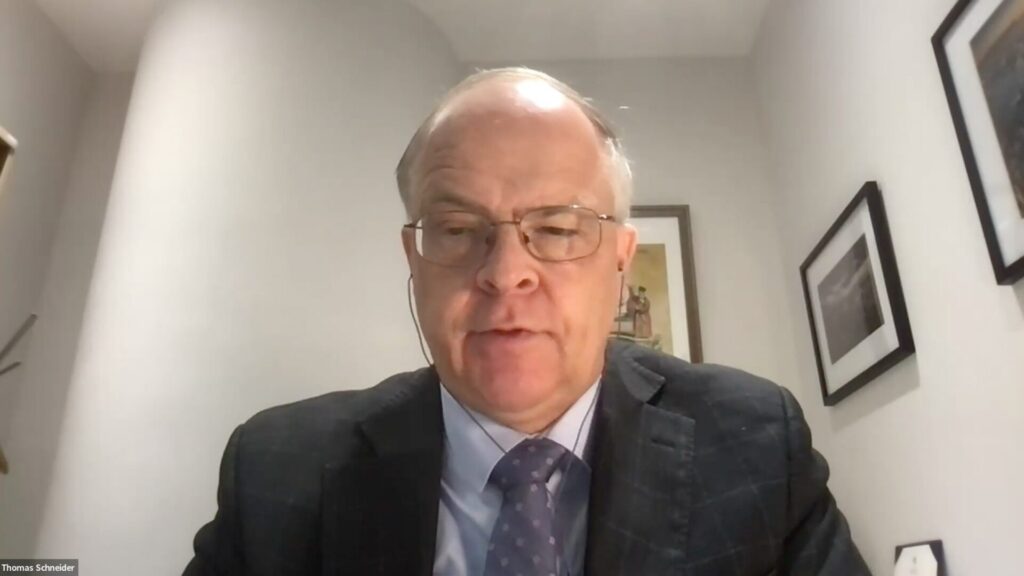
“Should we not consider whether traditional knowledge that for thousands of years has offered a harmonious relationship between humanity and the planet, might offer more sustainable approaches to the planetary problems than the modern framework in which we are caught up?”
–Prof. Thomas Schneider
The first seminar of the series featured Michael Steedman, Kaiarataki Deputy Pro Vice-Chancellor (Māori) from The University of Auckland Waipapa Taumata Rau. His talk focused on Waipapa Toitū, a cultural framework implemented at The University of Auckland, aimed at reshaping the institutional narrative through a Māori perspective. The initiative seeks to create spaces and paradigms that elevate Māori voices and knowledge within the university setting.
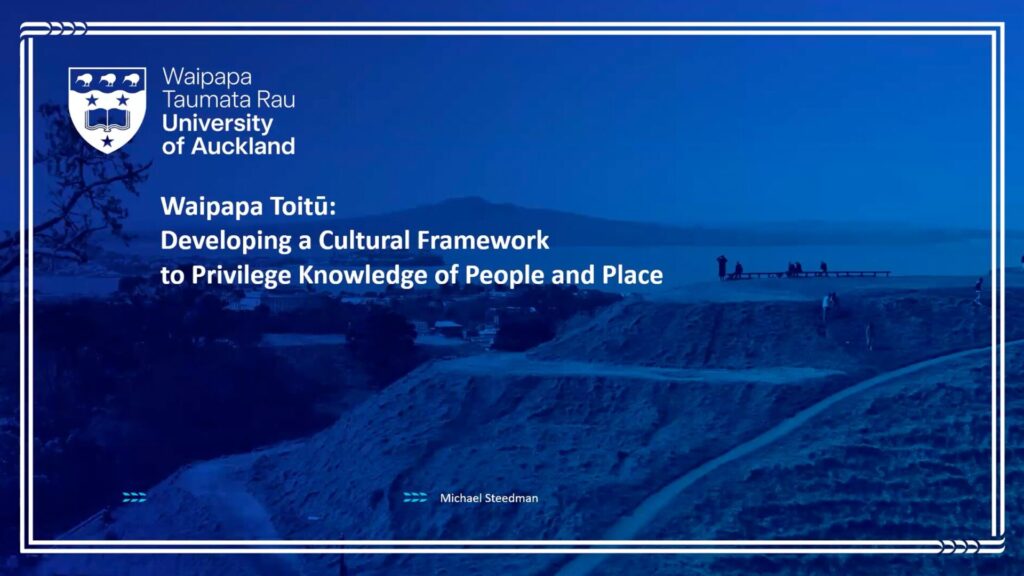
Steedman explored the core components of this framework, highlighting the use of autoethnography as a key methodological tool. He also emphasized the role of Kapa Haka (traditional Māori performing arts) as a foundational structural element of the Waipapa Toitū approach. Additionally, he underscored other essential paradigms, including mātauranga-ā-iwi (knowledge derived from the people) and mātauranga-ā-whenua (knowledge that comes from the land), as guiding principles in the pursuit of excellence. To conclude his seminar, Steedman illustrated how this Indigenous-centered methodology offers a path for navigating and reconciling the ongoing tensions between Indigenous and non-Indigenous worldviews within the Institution.
“I think it’s an important part of our multicultural, as it is with other cultures around the world, to try and find some way of connection into place. And so, in order to do that too, you need to have some knowledge of your own place and people.”
–Michael Steedman
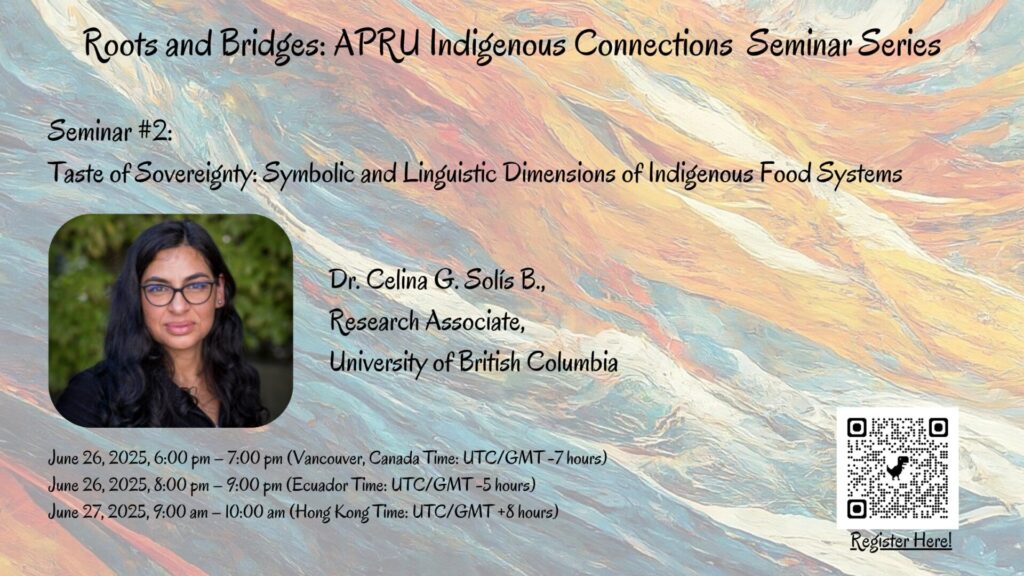
This seminar series, which is moderated by Emeritus Prof. David Romo from Universidad San Francisco de Quito, will host five additional seminars throughout the year until November. The next seminar will take place on June 27 (Hong Kong Time) and will feature Dr. Celina G. Solis from the University of British Columbia. Her presentation will explore how Indigenous languages, and the cultural symbolism of food play a critical role in confronting food colonialism, restoring sovereignty, and addressing food inequities within Indigenous communities.
To learn more about the Roots and Bridges: APRU Indigenous Connections Seminar Series 2025 and the upcoming talks click here.