
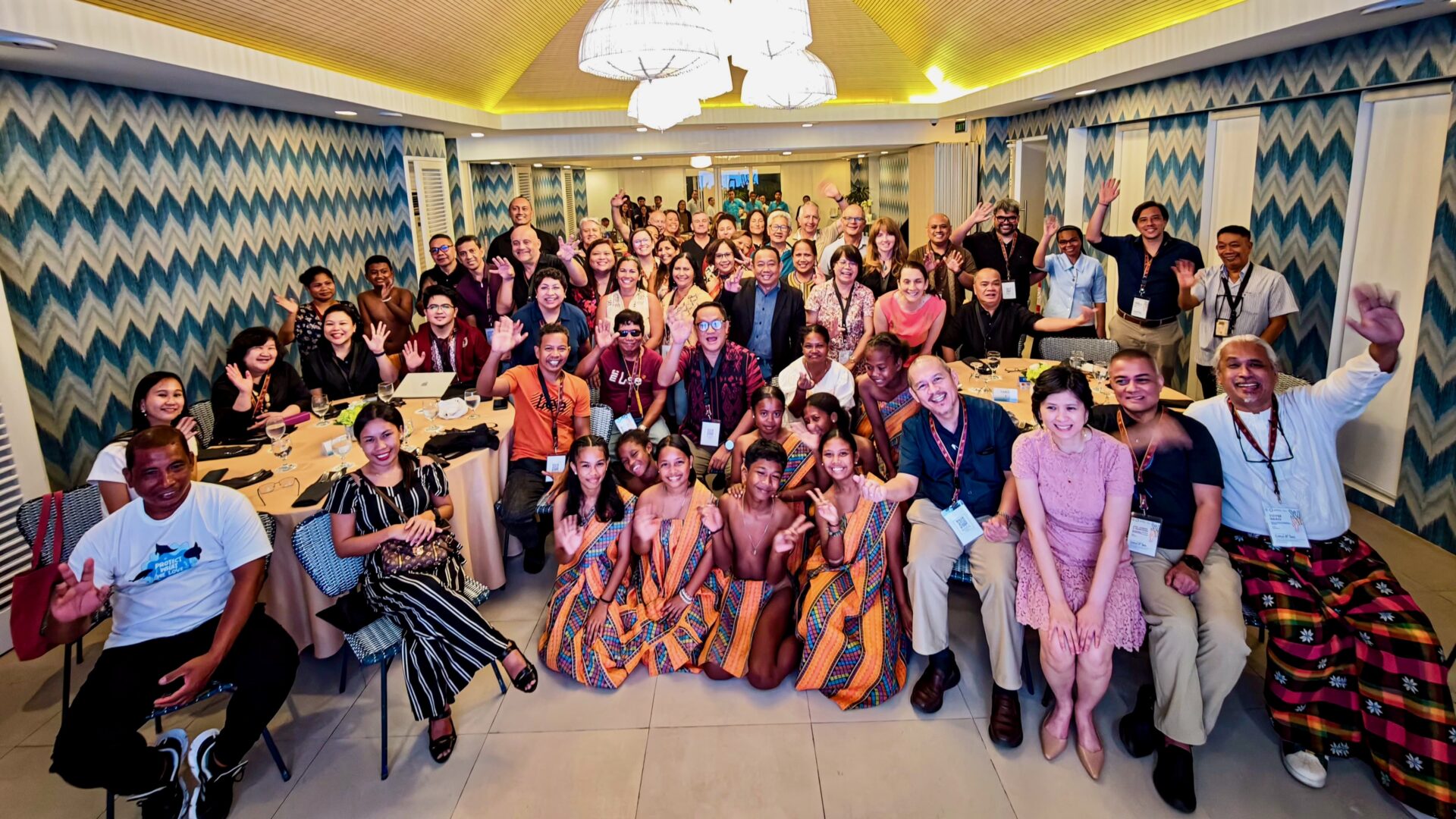
The APRU Indigenous Knowledges Workshop 2026 has begun in Boracay and hosted by the University of the Philippines from June 16 to 20. Participants, including university presidents and leaders, scholars, and community leaders from across the Asia Pacific have come together to strengthen collaboration and advance the role of Indigenous knowledges systems in higher education.
Boracay, located in Aklan in the central Philippines, and home to the Ati community, is globally known for its coastal and marine ecosystems and as a major tourism destination. Rapid tourism growth and infrastructure expansion have reshaped the island’s environmental and socio-economic landscape. This context highlights the relevance of the proposed theme, “Living Knowledge Traditions Rooted in Land and Sea: Pathways to Resilience, Innovation, and Cultural Continuity,” as local ecological practices and community knowledge remain vital to sustainable development.
Emphasizing the purpose of the convening, Adriana Rojas, Senior Director of Programs at APRU, noted in her welcome remarks, “The knowledge systems rooted in land and sea, nurtured over generations by Indigenous peoples and local communities, are not only heritage to be preserved, but vital sources of insight for addressing the pressing challenges of our time.’”
Leadership dialogue on institutional strategy
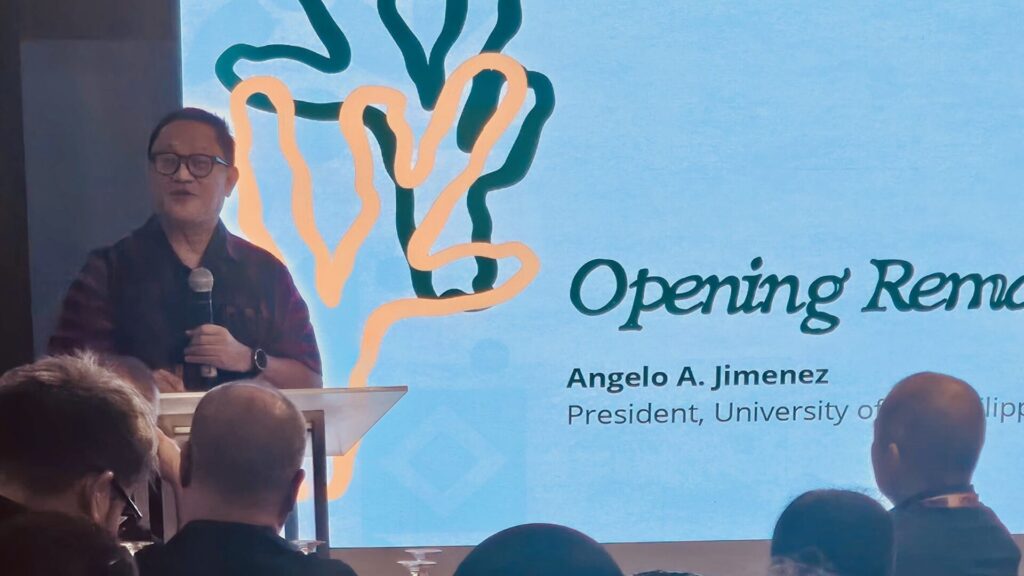
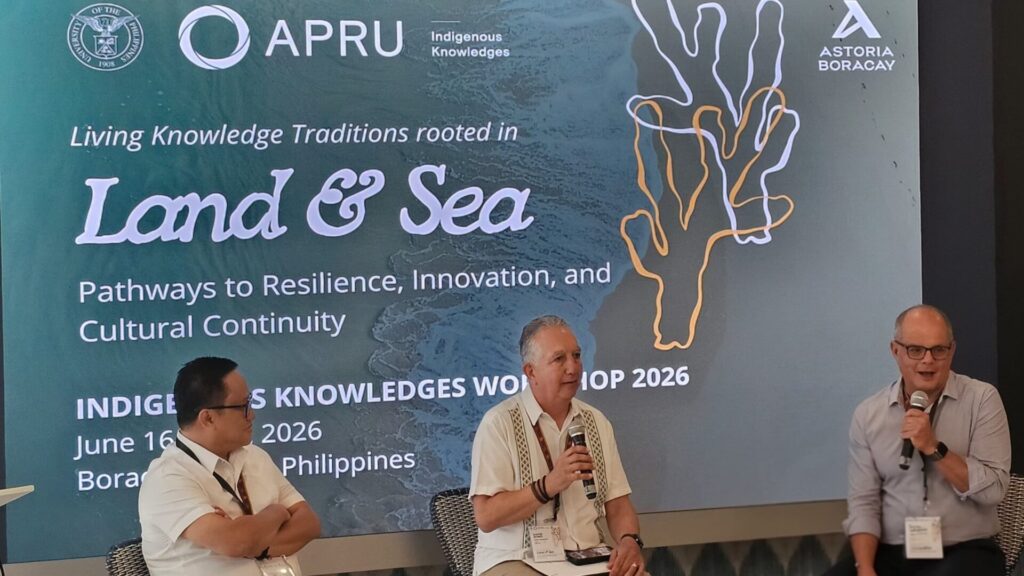
One of the highlights of the workshop is the Presidents’ Fire Chat titled “Embedding Indigenous Knowledges in Institutional Strategy,” featuring President Angelo A. Jimenez of the University of the Philippines and Rector Diego Quiroga of Universidad San Francisco de Quito. The session will examine how universities can integrate Indigenous knowledges systems into research, teaching, and institutional priorities, and how leadership can create a culture of inclusivity and responsiveness.
Advancing a shared commitment across the APRU network
The workshop also marks the official reading of the APRU Indigenous and First Nations Knowledges Network Statement, a document that sets out a shared vision and call to action for member universities.
The statement emphasizes the importance of Indigenous knowledges systems and affirms the sovereignty and self-determination of Indigenous peoples. It calls on universities to integrate Indigenous perspectives across teaching, research, and policy, and to foster inclusive and respectful academic environments.
Key priorities outlined in the statement include:
- To affirm the importance of Indigenous peoples and Indigenous knowledges systems
- To honor the sovereignty and self-determination of Indigenous peoples
- To emphasize the primacy of Indigenous knowledges
- To commit to inclusion, safety, protection and respect environments
- To create and enhance opportunities for Indigenous students, academics, professional staff and their communities in taking full advantage of the opportunities afforded by universities.
The statement identifies Indigenous knowledges as an essential contribution to global efforts to address climate change and advance sustainable development.
In presenting the statement, Dr. Noelani Puniwai, Co-Chair of the APRU Indigenous Knowledges Network, said: “This statement represents a shared commitment across the APRU network and reflects the collective work of scholars and communities who have shaped it. It provides a foundation for how institutions can move forward together in recognizing the value of Indigenous knowledges and strengthening relationships with Indigenous communities across the Asia-Pacific.”
Professor Adrian Little, Co-Chair of the APRU Indigenous Knowledges Network, said:
“The statement provides a strong foundation for action. It encourages universities to move beyond recognition and to embed Indigenous perspectives in meaningful and sustained ways across institutional practice. It also reflects the sustained efforts of colleagues across the APRU Indigenous and First Nations Knowledges Network, including Indigenous scholars, community partners, and academic leaders who have shaped its direction. Together, we take this work forward in partnership, with a shared commitment to meaningful and lasting progress.”
Engagement with Indigenous communities
Participants will engage directly with the Boracay Ati community through immersion activities and cultural exchanges. These interactions highlight the importance of ethical engagement and reinforce the role of universities as partners in supporting Indigenous knowledge systems and community priorities. We thank the University of the Philippines for their leadership and hosting of the workshop.