
Institutional Engagement Summary — February 2026
APRU representatives Thomas Schneider (Chief Executive) and Jackie Wong (Senior Director, Communications and Engagement) completed a week‑long series of visits to member universities across California, Hawai‘i, and Washington, meeting with senior leaders to deepen collaboration in AI, sustainability, Indigenous knowledge, global health, food systems, student mobility, and the future of the university. The following high‑level summaries capture the focus areas, APRU alignment, and participating leaders at each institution.
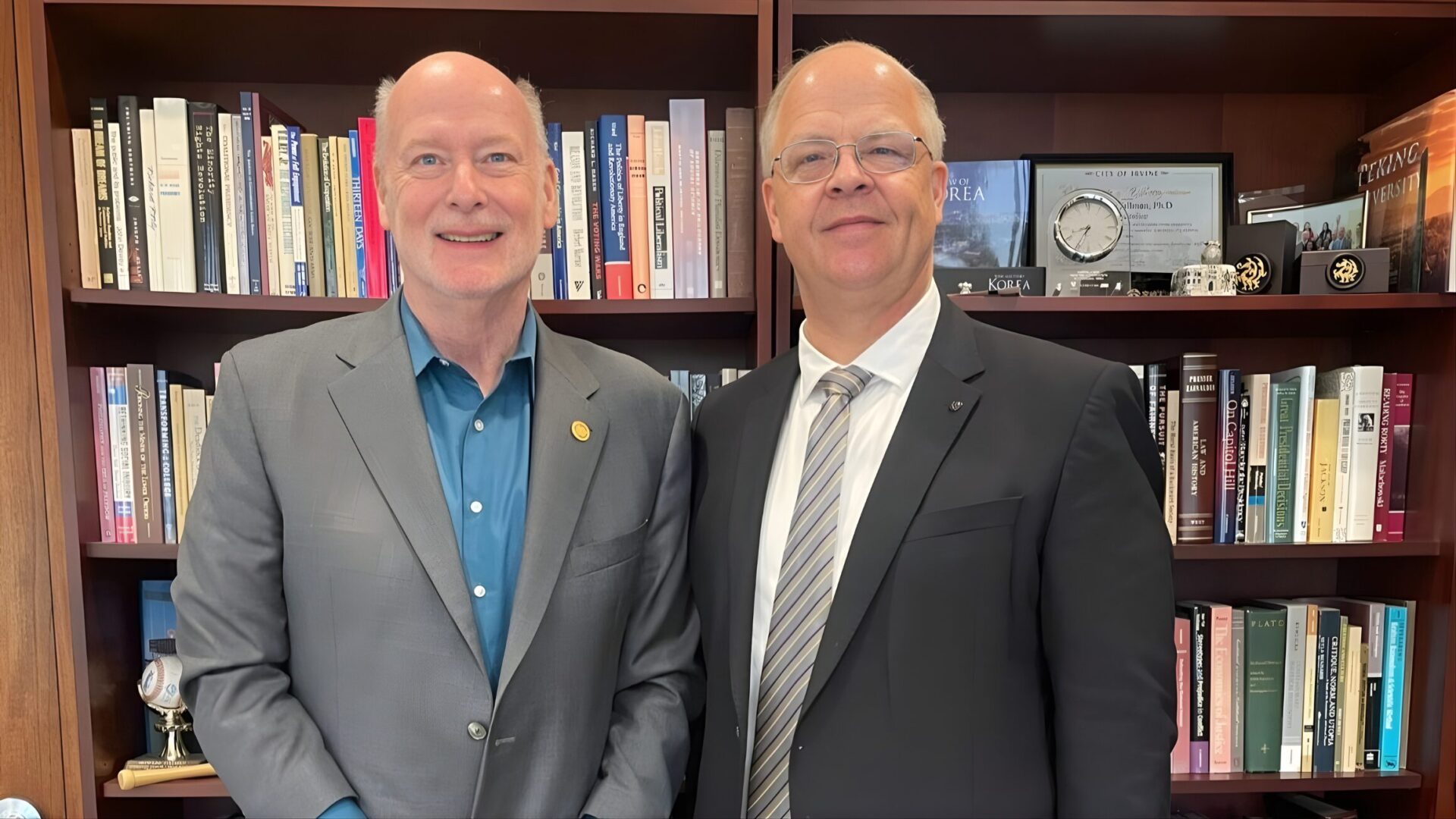
UC Irvine (February 2, 2026)
Participants:
Chancellor Howard Gillman; Dr. Lars Walton (Associate Chancellor and Chief of Staff); Dr. Aileen Anderson (Vice Chancellor for Research), Dr. Lily Wu (Chief Global Affairs Officer & Faculty Liaison to the Chancellor ); Dr. Hye‑Won Shin (Grace) (Director of Korea Relations).
Highlights:
UCI presented robust Asia Pacific engagement—especially with partners in Korea and Taiwan—alongside active undergraduate research mobility and language/cultural programming that supports STEM internationalization. UCI’s expanding work in artificial intelligence (AI literacy, ethics, and applied academic uses) offers strong alignment with APRU initiatives focused on responsible and innovative AI in higher education.
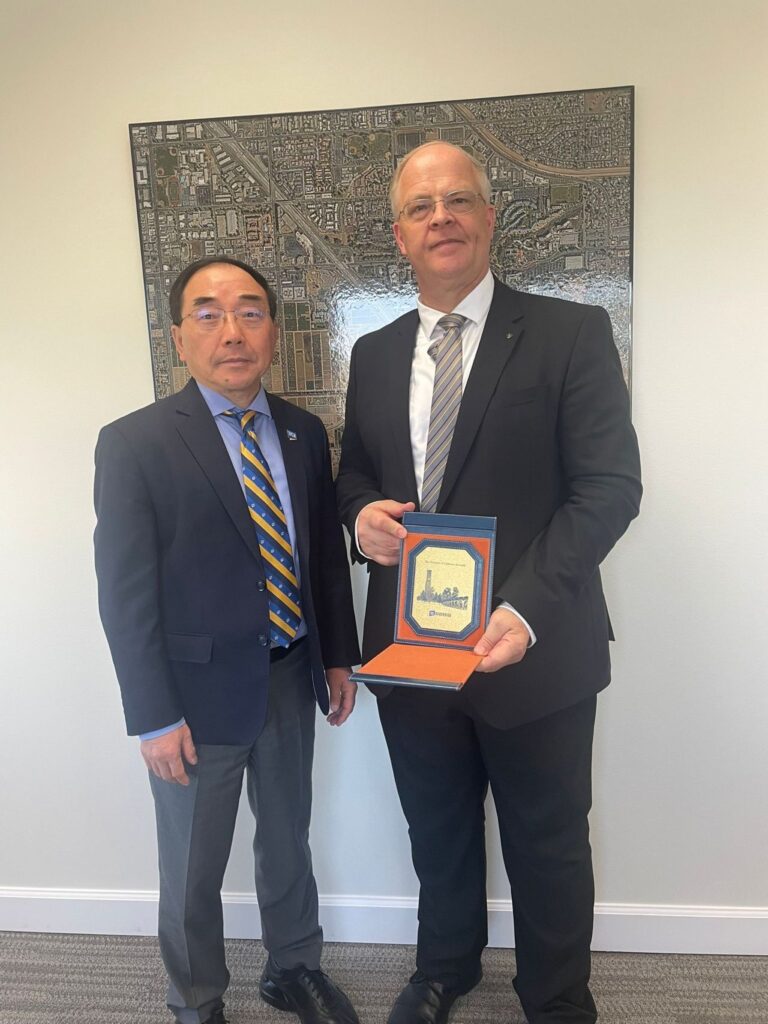
UC Riverside (February 2, 2026)
Participants:
Chancellor Jack Hu; Dr. Marko Princevac (Vice Provost); Dr. Rodolfo Torres (Vice Chancellor for Research, Innovation & Economic Development); Dr. Peter Atkinson (Dean of College of Natural & Agricultural Sciences); Dr. Patricia Springer (Divisional Dean of College of Natural & Agricultural Sciences).
Highlights:
UCR is building deeper ties with APRU around comparative agriculture, food systems, and environmental studies. The university’s diverse research landscapes—from Coachella Valley to mountain reserves—create rich opportunities for field‑based learning, viticulture and crop science engagement, and program development with partners across the Asia Pacific. Planning discussions included a future food security initiative and potential field school components connected to APRU’s regional priorities.
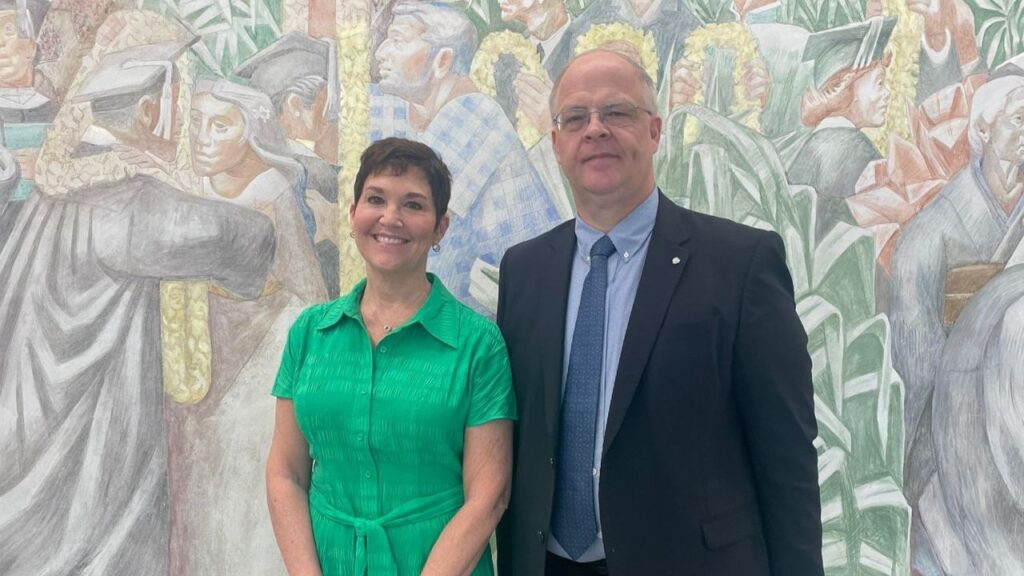
University of Hawai‘i at Mānoa (February 3–4, 2026)
Participants:
President Wendy Hensel; Dr. Vassilis Syrmos (Interim Provost); Dr. Bob Wright (Interim Vice President for Research); Dr. Denise Konan (Dean of College of Social Sciences); Dr. Ivy Mu (Acting Chief Global Officer).
Highlights:
UH Mānoa emphasized strengths in earth and environmental sciences, Asia Pacific studies, and Indigenous knowledge. With world‑class astronomy assets in Hawai‘i and strong links to observatories in Chile, UH is well placed to collaborate on space‑related programming. The team also noted opportunities to advance One Health/One Pacific, Indigenous leadership, and big‑data initiatives in ways that align with APRU’s networkwide agenda and UH’s strategic planning.
UCLA (February 5, 2026)
Participants:
Cindy Fan (Vice Provost for International Studies & Global Engagement); Kathryn Paul (Director for International Collaborations); Darnell Hunt (Executive Vice Chancellor & Provost); Roger Wakimoto (Vice Chancellor for Research & Creative Activities); Michael Gravbeal (Chief of Staff); Tim McDonald (Strategic Advisor & Research); Mick Deluca (Associate Vice Chancellor, Campus Life, UCLA Student Affairs); Felicia Marie Knaul (Associate of the Chancellor).
Highlights:
UCLA showcased broad interdisciplinary engagement across APWiL, global health, Sustainable Cities & Landscapes, archives/digitization, and anti‑Asian hate scholarship. The new Dialogue Across Difference (DAD) initiative complements APRU’s Open Dialogues methodology. Looking ahead to Los Angeles’ Olympic context, UCLA is keen to build a multi‑university collaboration (e.g., Melbourne, Waseda, Keio) that connects sport, culture, research, and inclusive excellence across the APRU network.
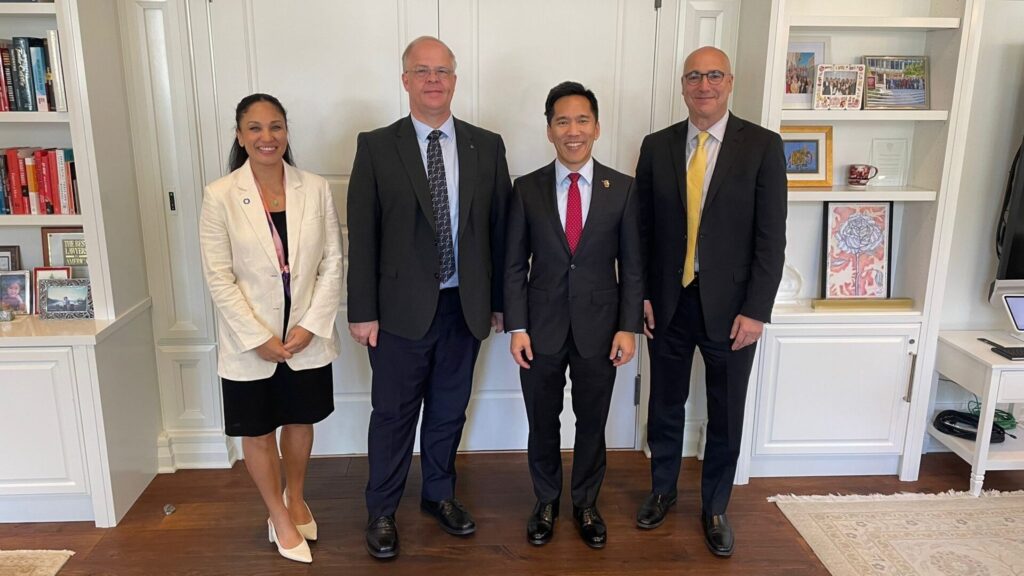
University of Southern California (February 5, 2026)
Participants:
President Beong‑Soo Kim; Anthony Bailey (Vice President for Global and Online Initiatives); Paulo Rodrigues (Senior Associate Vice Provost for Global Engagement).
Highlights:
USC outlined an institution‑wide AI direction centered on literacy, ethics, and community‑wide engagement. The university encouraged APRU to curate and share faculty case studies on transformative AI uses in teaching and research. USC also indicated interest in playing a significant role in APRU’s 30th anniversary activities and expressed intent to host the APM in 2030, aligning with USC’s 150th anniversary.
UC Santa Cruz (February 6, 2026)
Participants:
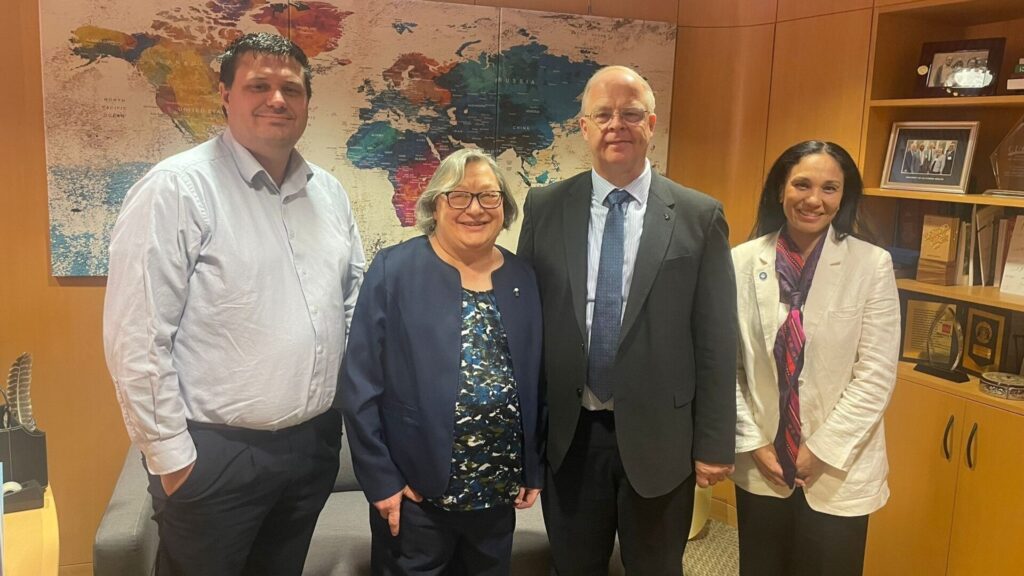
Chancellor Cynthia Larive; John MacMillan (Vice Chancellor for Research); Alice Michel (Executive Director of Global Mobility); and Glynis Kincaid (Global Learning Advisor).
Highlights:
UCSC identified collaboration opportunities in environmental visualization, coastal resilience, and natural‑reserve‑based research and training. The university’s work on modelling climate impacts and communicating science to the public aligns well with APRU’s hazards, coastal, and sustainability themes. UCSC also showcased efforts in international recruitment, faculty mobility, and 2+2 program development with Asia Pacific partners.
UC Davis (February 6, 2026)
Participants:
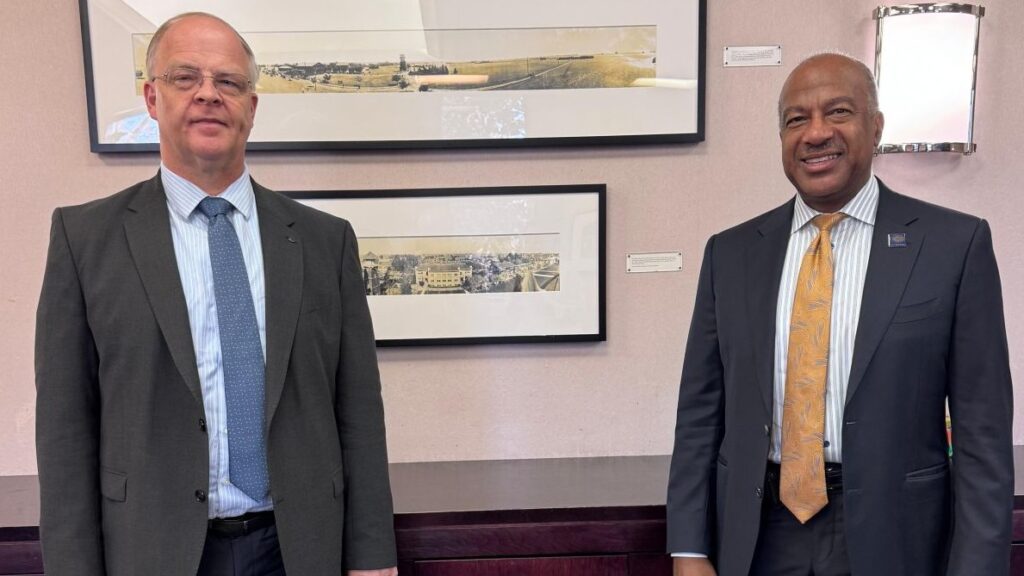
Chancellor Gary May; Professor Michael Lazzara (Associate Vice Provost of Academic Programs and Partnerships); Simon Atkinson (Vice Chancellor for Research); Molly McKinney (Chief of Staff, Grand Challenges); and Marcel Holyoak (Associate Dean of Environmental Sciences – College of Agricultural and Environmental Sciences)
Highlights:
UC Davis outlined strong alignment with APRU in food systems, agritech, biodiversity, and AI‑enabled agriculture. With extensive research centers and natural reserves, the university contributes significantly to field‑based training and comparative environmental studies. UC Davis confirmed continued engagement in APRU governance and strategic planning discussions, including participation in steering committee matters.
University of Washington (February 9, 2026)
Participants:
President Robert Jones; Tricia R. Serio (Provost and Executive Vice President for Academic Affairs); Ahmad M. Ezzeddine (Vice Provost for Global Affairs); Ken Yocom (Dean, College of Built Environments); Heidi van Rooyen (Chair, Global Health); and additional leaders from the College of the Environment and Global Affairs.
Highlights:
UW emphasized institutional strengths in AI, climate predictability, global health, fisheries, and sustainability, and expressed interest in deeper participation in APRU’s steering and working groups. The university is expanding global learning through COIL and faculty‑led pathways and suggested hosting a future APRU Hazards Symposium (targeting 2028). Discussions also covered scaling experiential learning, strengthening two‑way mobility, and creating new partnership models with industry connectors in Seattle.
UC Santa Barbara (February 10, 2026)
Participants:
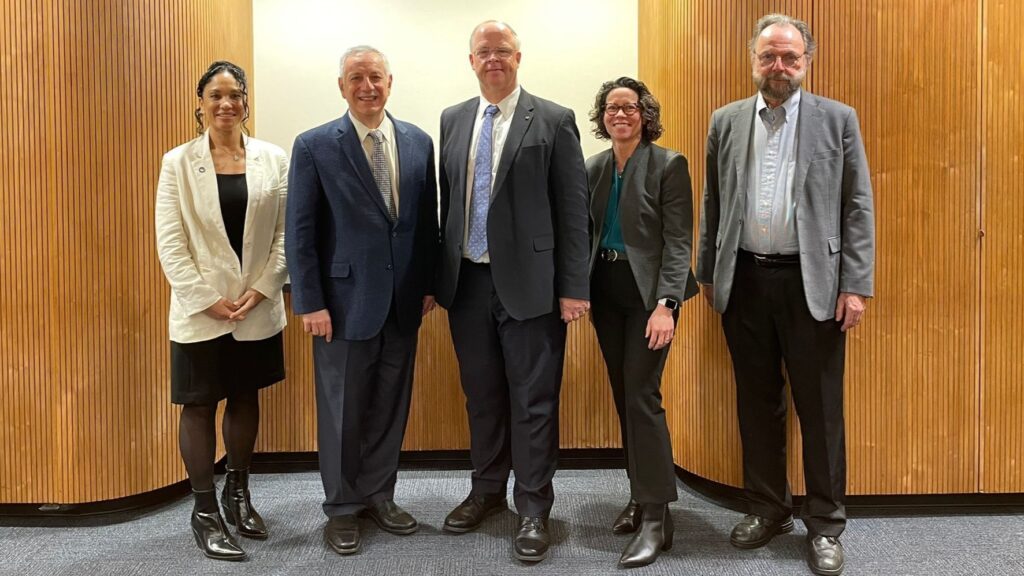
Chancellor Dennis Assanis; David Marshall (Executive Vice Chancellor & Provost); Rachel Segalman (Vice Chancellor for Research).
Highlights:
UCSB signaled strong interest in participating more actively in APRU, particularly in environmental humanities, wildfire/climate research, sustainability, and global studies. As the UC system’s leading campus for outbound study abroad, UCSB aims to expand its Asia Pacific footprint through research collaborations, internships, and student‑centered programming. The university also proposed an APRU research mentorship concept pairing faculty with students across the network.
Next Steps
APRU will coordinate targeted follow‑ups with each institution to connect thematic interests with ongoing programs and working groups, explore event hosting opportunities, and surface collaborative research and student mobility pathways that advance shared priorities across the network.