
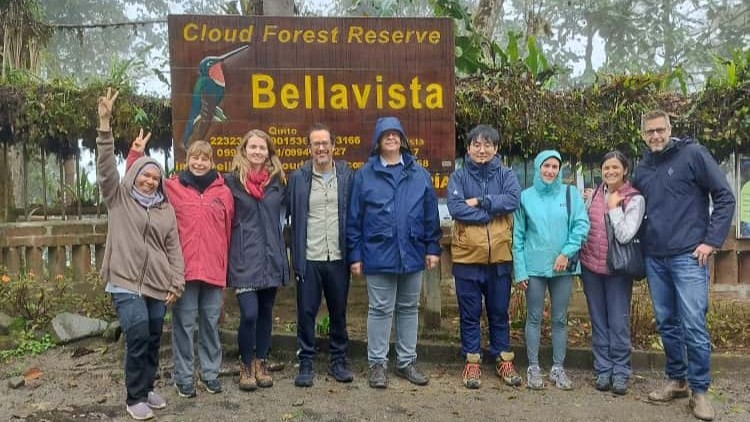
From October 16–18, 2025, the Forest Ecosystems Living Lab Initiative (FELLI) convened their 2nd collaborative workshop in the Tandayapa Cloud Forest in the Andean Mountains northwest of Quito, Ecuador, hosted by Universidad San Francisco de Quito (USFQ). This gathering brought together leading researchers and educators from across the Pacific Rim to advance FELLI’s mission: creating a global network of “living laboratories” that generate standardized, comparative data on forest carbon dynamics, biodiversity, and the interactions between ecosystems and human communities.
Participants from institutions including: The University of British Columbia, Kyushu University and Universiti Malaya, joined USFQ expert faculty for a three-day intensive program that blended intensive collaborative work sessions with field immersion and strategic planning.
Immersive Learning in the Bellavista Cloud Forest
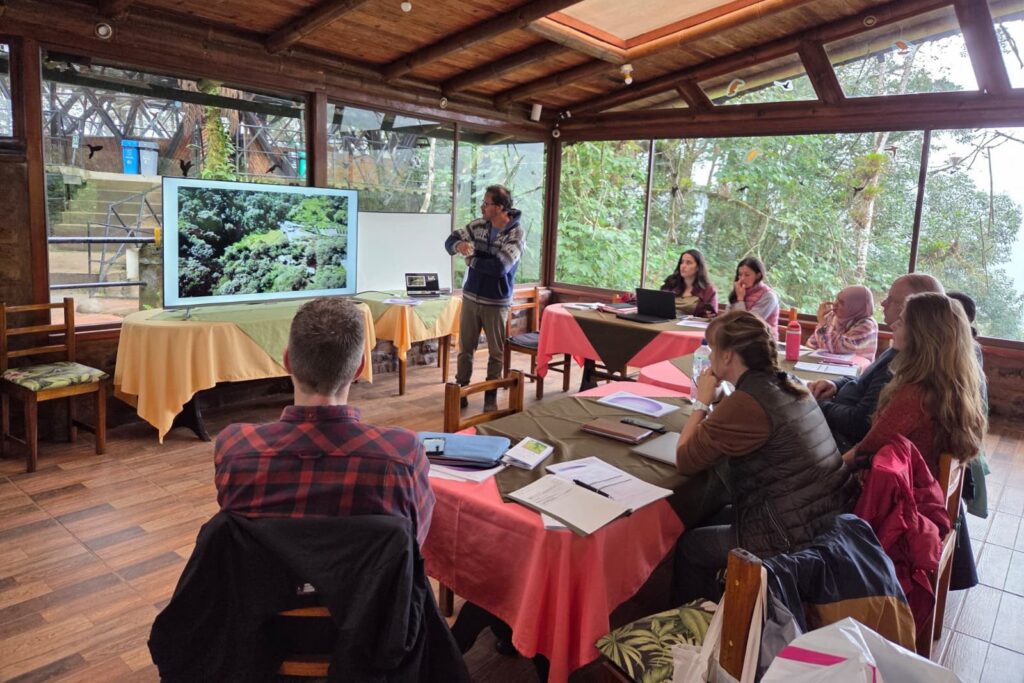
The meeting was hosted at the Bellavista Cloud Forest eco-lodge situated within this biodiversity hotspot of the Andean region. A warm welcome by USFQ’s Juan Manuel Guayasamin, Vice Dean of Research, College of Biological and Environmental Sciences and Co-Director of the APRU FELLI, Prof. Thomas Schneider, APRU Chief Executive, and Dominik Roeser, Professor and Associate Dean, Research Forests & Community Outreach, The University of British Columbia and Co-Director of the APRU FELLI provided an overview of FELLI’s vision. Together, they emphasized the workshop’s mission to define the initiative’s joint research mission including the harmonization of data collection protocols, and the design of immersive and innovative field and online learning modules.
Dr. Ciara Wirth, Research Coordinator, USFQ Tiputini Biodiversity Station presented perspectives from the Tiputini Biodiversity Station, highlighting both opportunities and challenges in conducting long-term ecological research in remote forest environments.
Advancing Research and Education
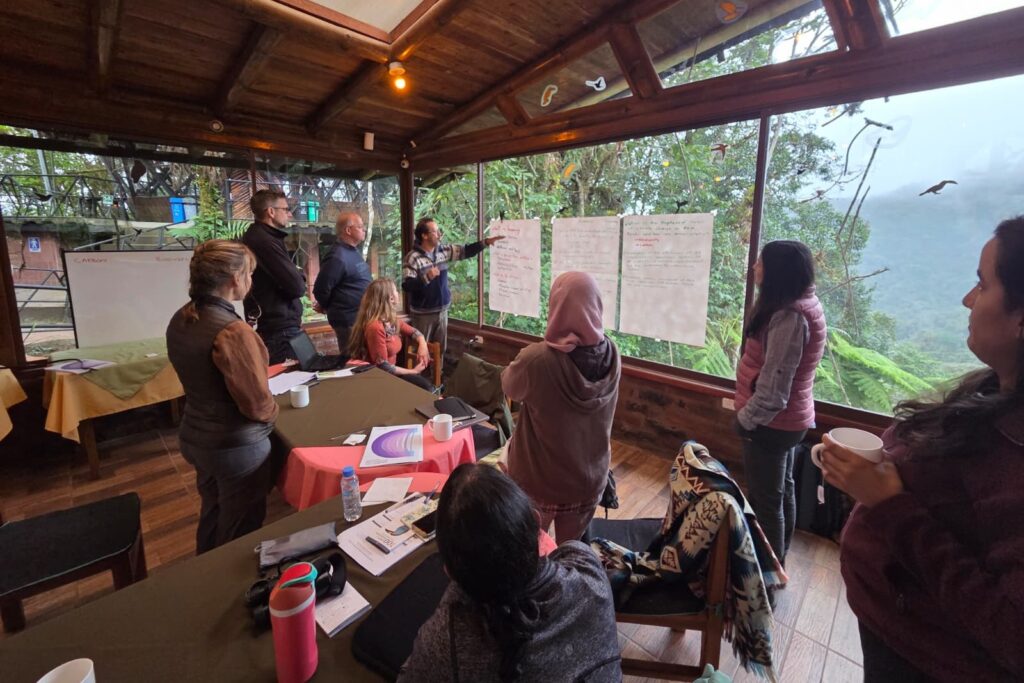
Over the course of three focused working days, colleagues collaborated in break out groups to refine FELLI’s research agendas. Several key priorities emerged:
- Standardizing data protocols and frameworks across FELLI stations to strengthen collaboration and ensure comparability of research outcomes.
- Advancing sustainable wellbeing and regional policy engagement across Asia-Pacific landscapes by identifying resilience factors and positioning FELLI sites as innovation hubs. These hubs will foster nature-based solutions, enhanced governance, and support ecosystem service valuation, deepening our understanding of climate and human impacts.
- Developing transformative educational opportunities, notably an international immersive summer school. This field-course will emphasize experiential learning, community engagement, integration of local knowledge, and policy outreach delivered across FELLI member field stations.
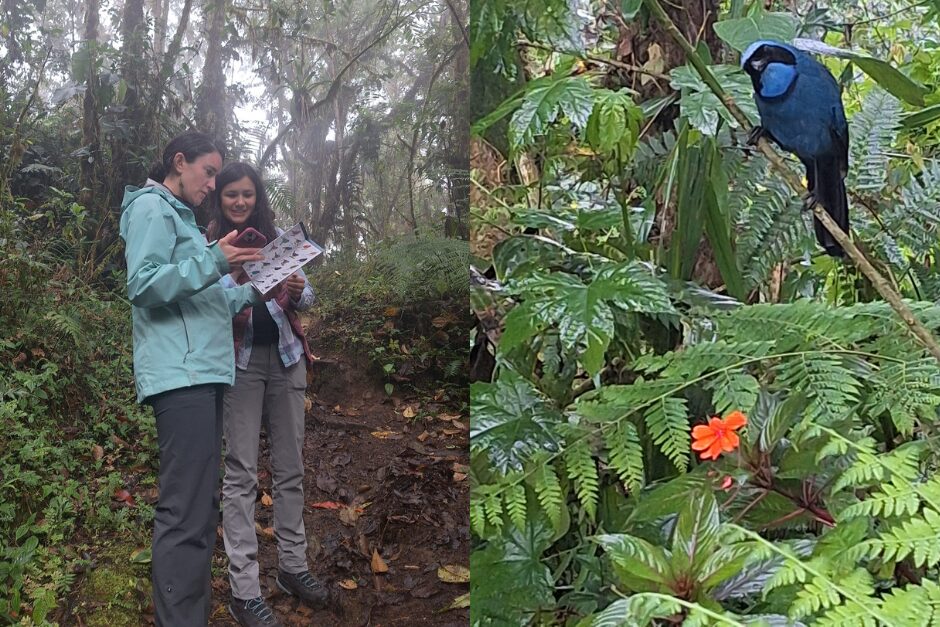
Optional night walks, birdwatching sessions and shared meals fostered informal networking and shared learning experiences strengthening the sense of community among participants.
Strategic Planning and Next Steps
The final day focused on program sustainability of the program and strategic planning. Roeser, and Guayasamin led a session on funding strategies, followed by a collaborative discussion on next steps and milestones. The focus was on building on and sustaining the momentum created during the intensive workshop.
After a farewell lunch, participants returned to USFQ for final reflections and departures, energized by the connections made and the shared commitment to forest ecosystems.
Looking Ahead
The Ecuador meeting marked a significant milestone for FELLI, reinforcing the importance of transregional collaboration in addressing environmental challenges. By integrating research innovation, field-based learning, and institutional partnerships, FELLI is poised to become a transformative force in forest ecosystem science and education.
Stay tuned for more updates as FELLI expands its network and impact across the Pacific Rim.