
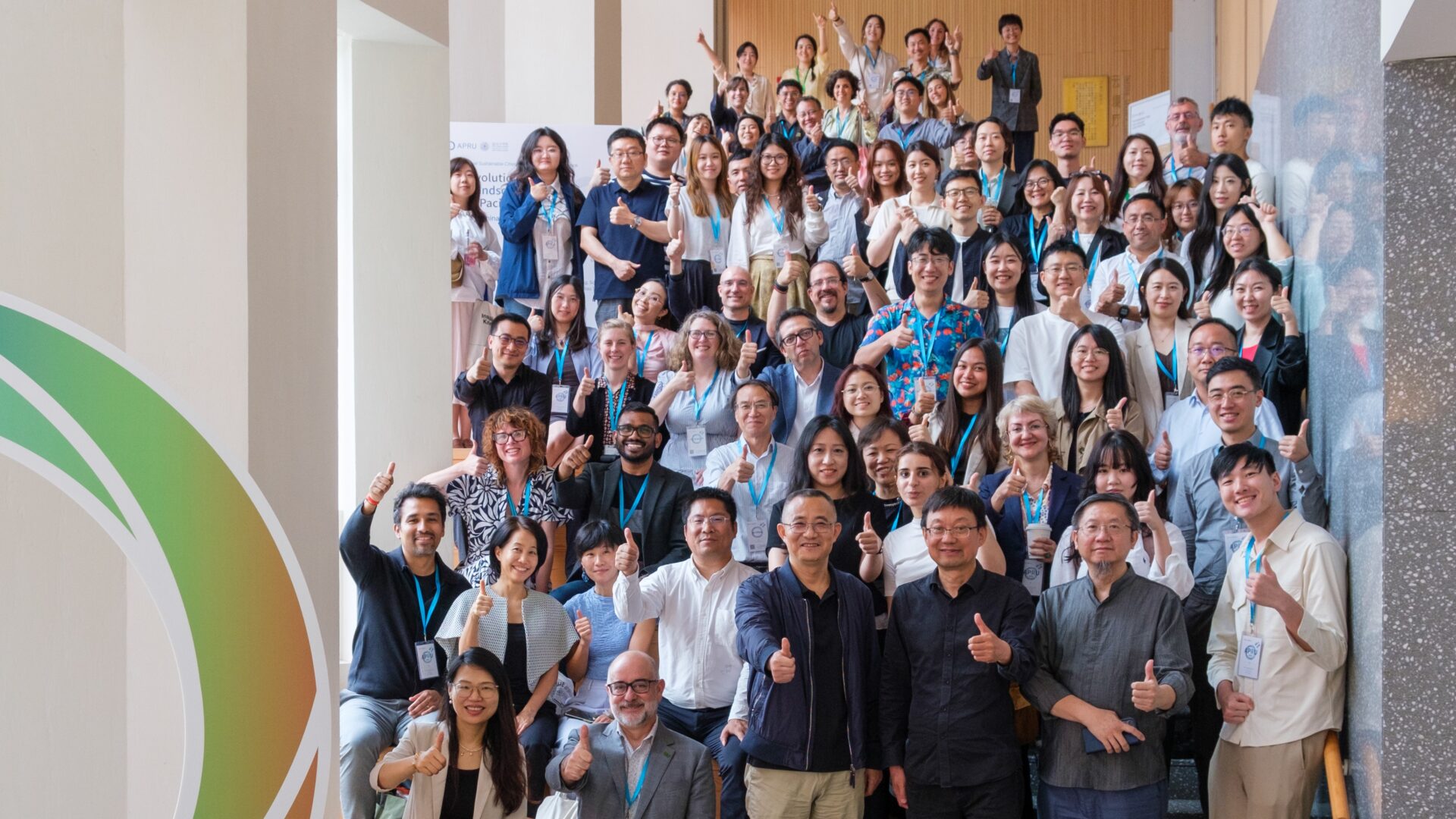
From May 21 to 24, 2026, the 9th Annual Association of Pacific Rim Universities (APRU) Sustainable Cities and Landscapes (SCL) Conference was held at the School of Design, Shanghai Jiao Tong University (SJTU). Hosted by SJTU, the conference was organized by the university’s International Affairs Division and School of Design, with support from the Chinese Society of Landscape Architecture (CHSLA).
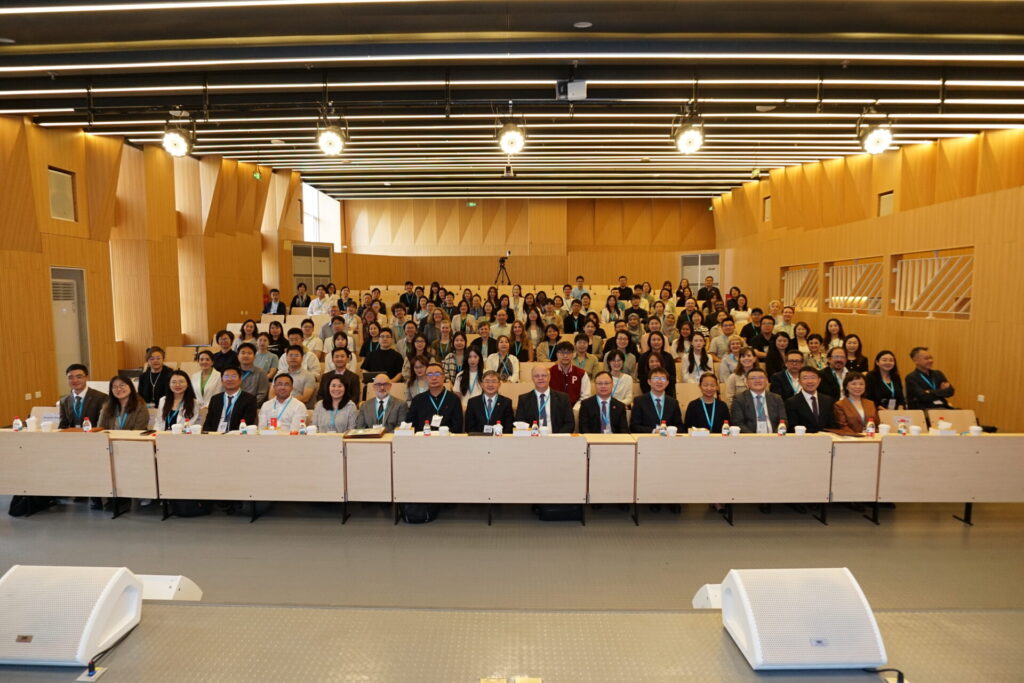
Centered on the theme “Evolutionary Cities and Landscapes at the Pacific Rim,” the conference featured five thematic parallel forums, eight working groups, and four student symposiums. It aimed to promote cross-border exchange and collaboration and to advance sustainable urban development across the Pacific Rim. Around 200 academic experts, industry leaders, government representatives, and community participants from 17 economies gathered for the event. Through in-depth, interdisciplinary, and cross-sector dialogue, attendees explored frontier pathways for urban and landscape transformation and outlined a blueprint for a more resilient and sustainable future.
Building Consensus
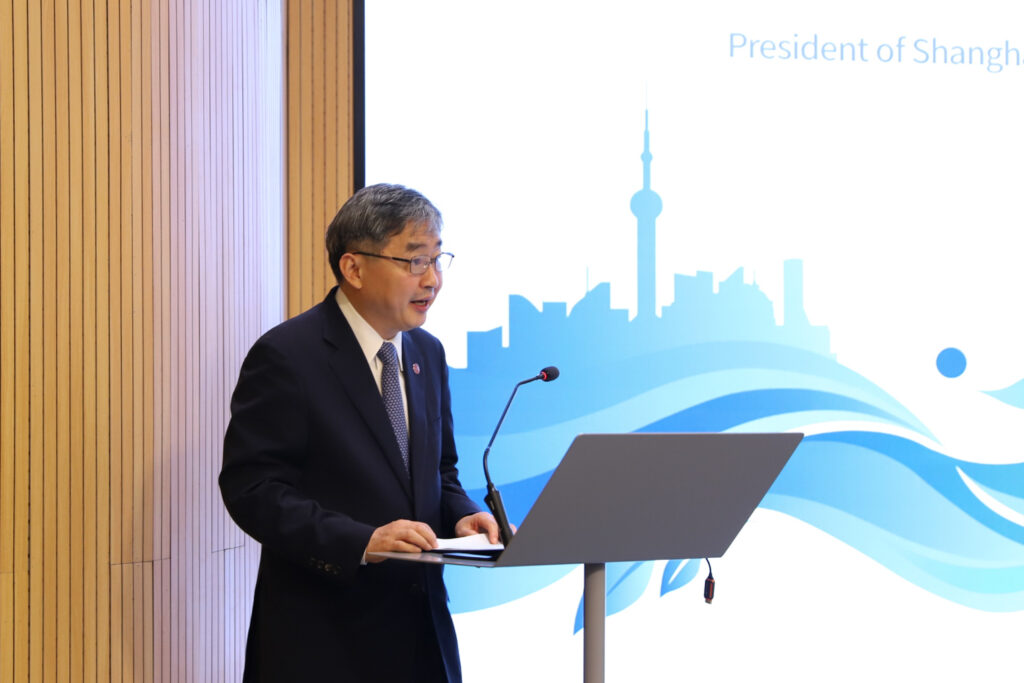
At the opening ceremony, Professor Ding Kuiling, President of Shanghai Jiao Tong University and Academician of the Chinese Academy of Sciences, noted that since joining APRU in 2019, SJTU has continued to engage in collaborative research on sustainable cities and landscapes, sustainable waste management, and related fields, while actively advancing academic innovation, global governance, and talent cultivation. In response to global challenges, the university has placed ecological civilization, resilient cities, and human settlements high on its strategic agenda. Through multidisciplinary collaboration, Shanghai Jiao Tong University seeks to break down disciplinary barriers, build an open innovation ecosystem, promote interdisciplinary research on cities and landscapes, and empower sustainable development through design intelligence.
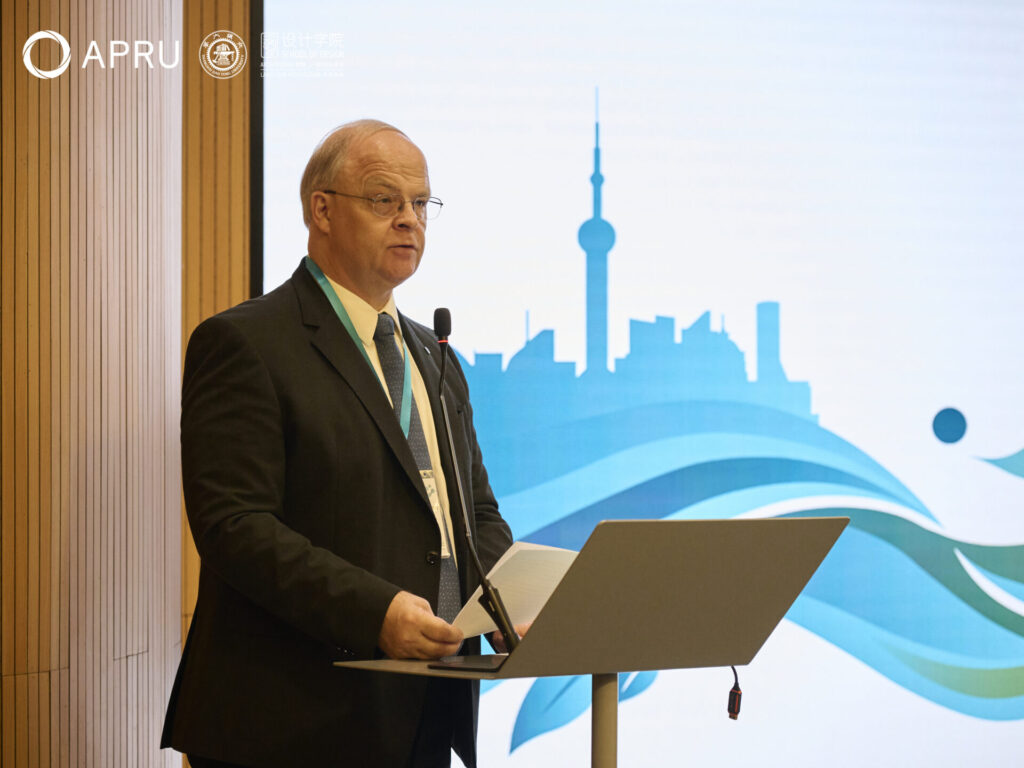
Thomas Schneider, Chief Executive of the Pacific Rim University Union (APRU), congratulated Shanghai Jiao Tong University on its 130th anniversary and spoke highly of the university’s remarkable achievements across three centuries. He noted that SJTU’s motto, “Gratitude to Origins, Patriotism to Prosper Alma Mater,” carries profound meaning and serves as a spiritual foundation for the university’s sustained development. He introduced APRU as a network of 64 leading research universities across the Pacific Rim, noting that its Sustainable Cities and Landscapes Program has become one of the consortium’s most dynamic interdisciplinary platforms. He added that the conference theme, “Evolutionary Cities and Landscapes at the Pacific Rim,” aligns closely with Shanghai’s character as a city of continuous renewal, making it a particularly valuable platform for exchange.
Li Xiong, Vice Chairman of the Chinese Society of Landscape Architecture and Professor at Beijing Forestry University, stated that the conference was not only an important forum for addressing shared global challenges in human settlements and advancing interdisciplinary collaboration, but also a valuable opportunity to present China’s experience, reflect on China’s questions, and promote the development of an independent Chinese knowledge system for sustainable cities and landscapes. He further noted that the conference provided an important platform for advancing educational reform and innovation in talent cultivation.
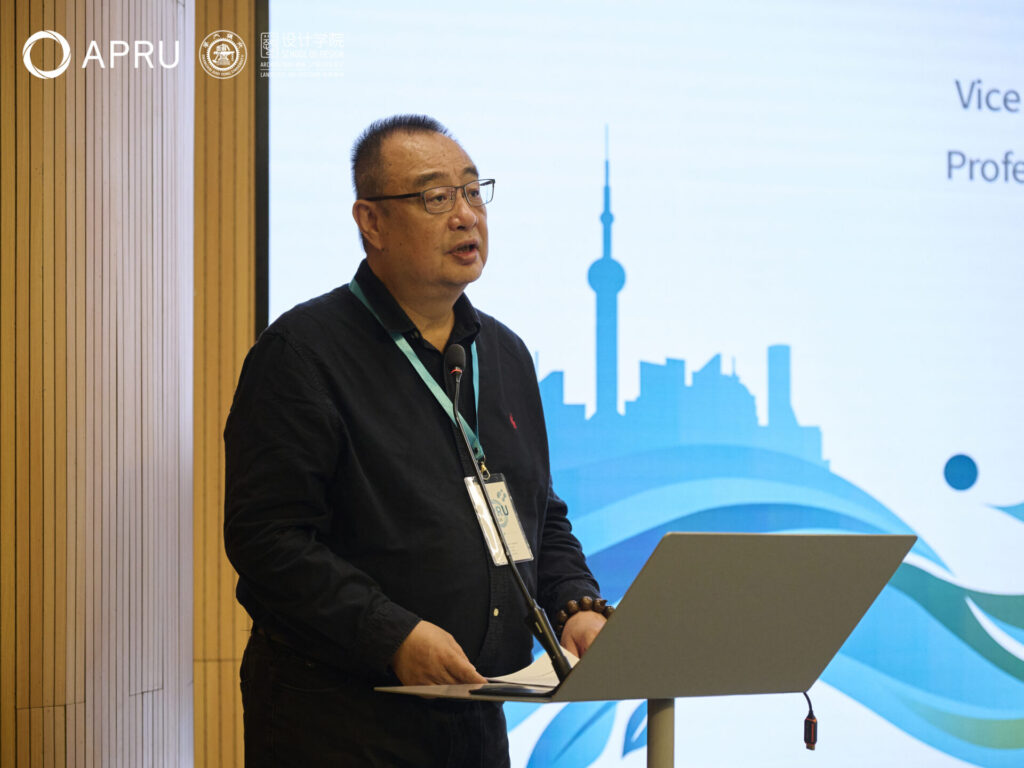
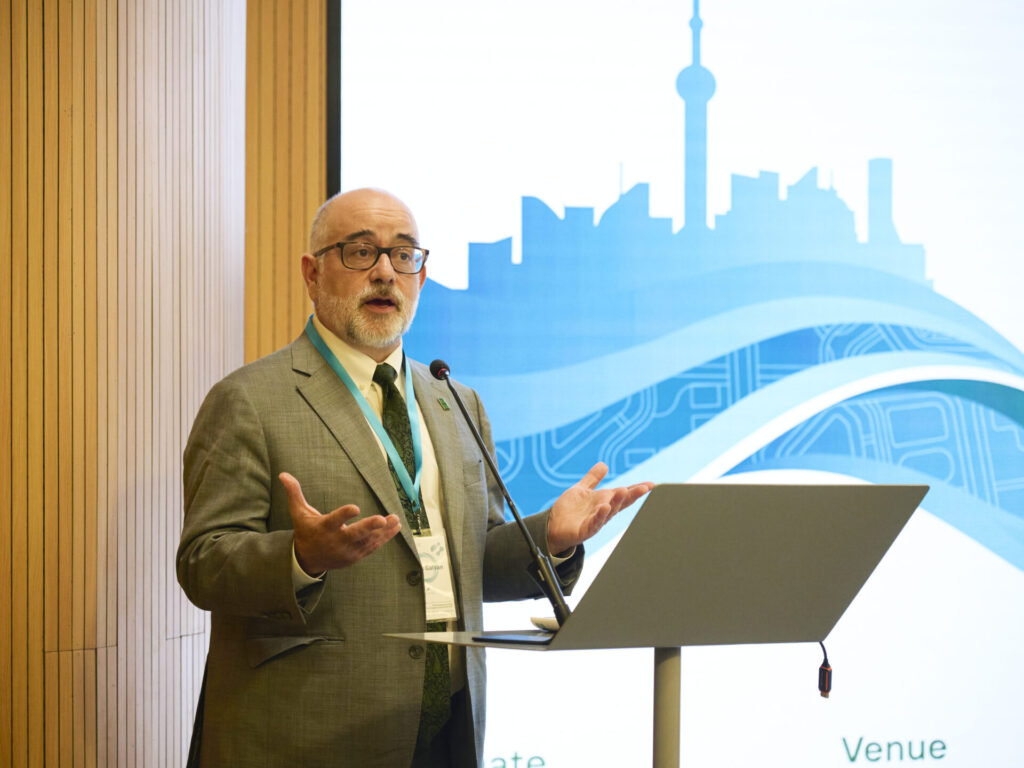
Dennis Galvan, Chair of the Executive Committee of the APRU Sustainable Cities and Landscapes Program, and Dean and Vice Provost for Global Engagement at the University of Oregon, noted that the program was originally established to share experience in urban sustainability across the Pacific Rim. He called on researchers to uphold a spirit of collaboration across boundaries, remain committed to the core values of international academic cooperation, and work together to address shared challenges. He also expressed hope that the conference would serve as a new starting point for continued collaboration.
Focusing on the Frontier
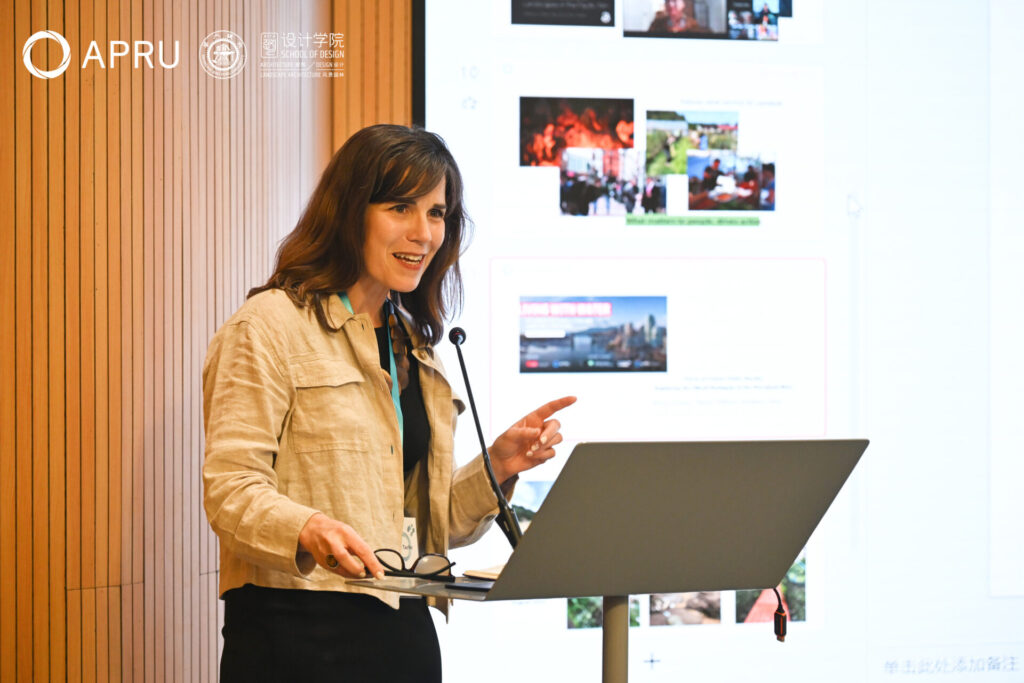
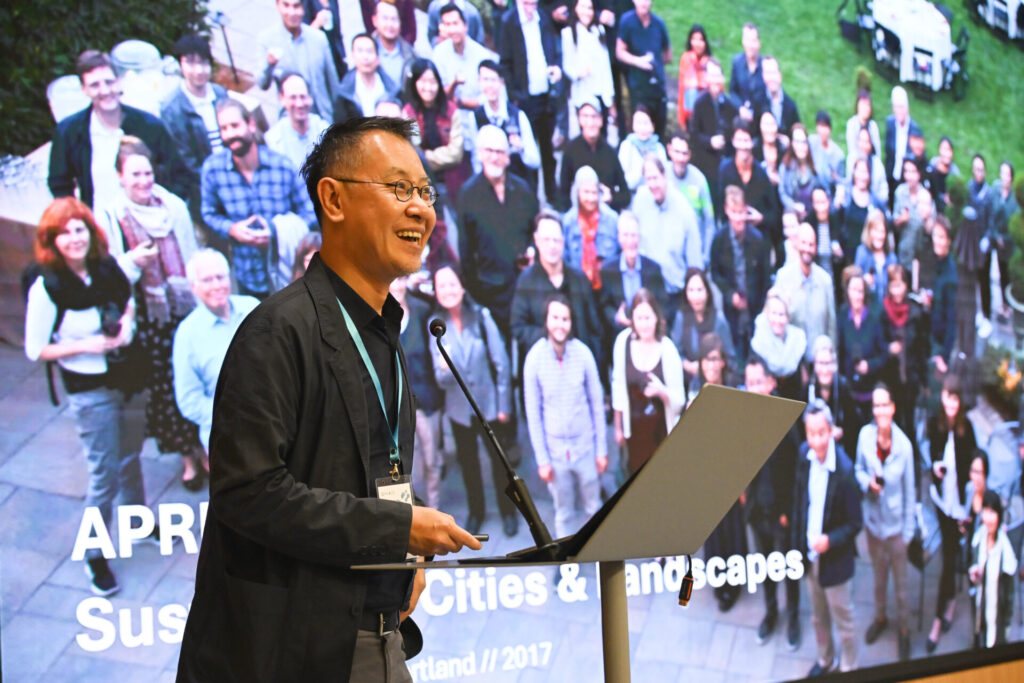
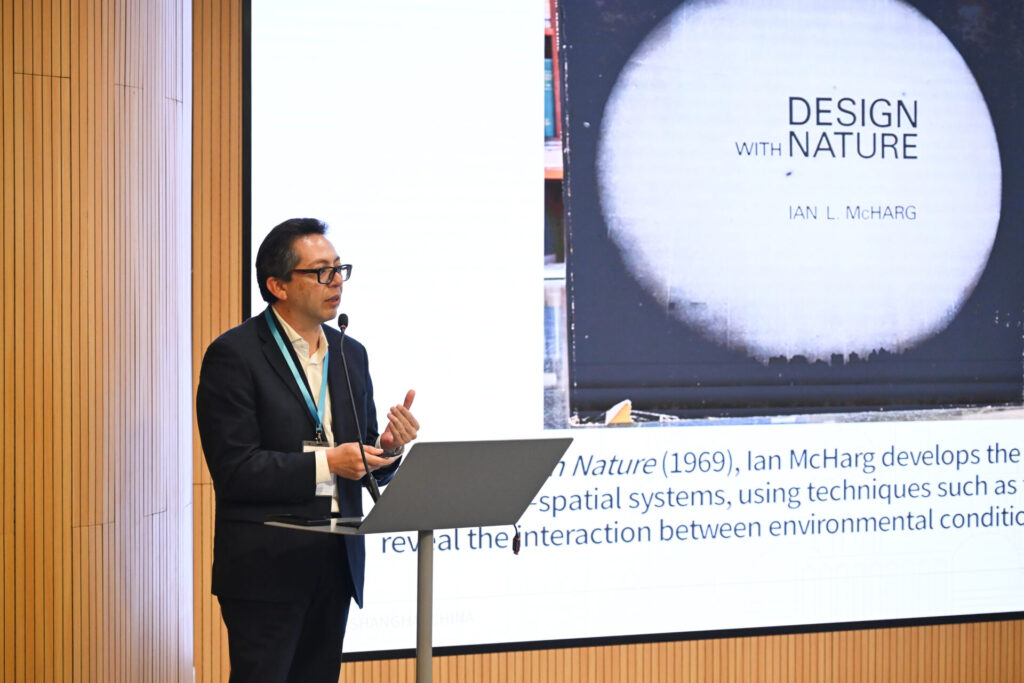
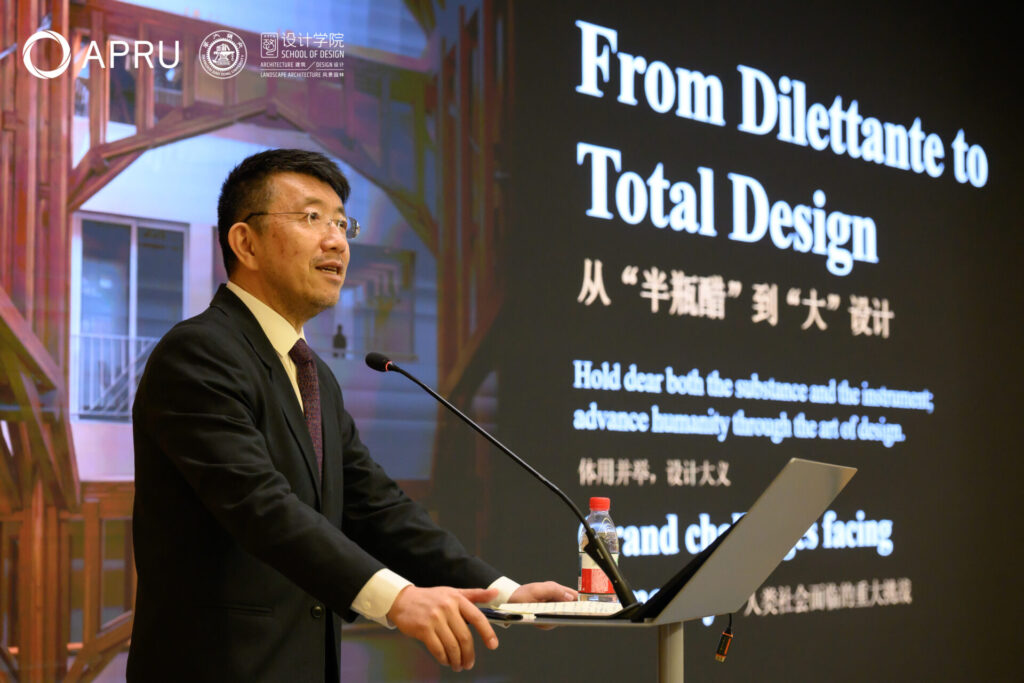
In the keynote speech session, Anne Taufen, Professor at the University of Washington, drew on the concept of the “moral ecologies of infrastructure” and emphasized that sustainable infrastructure development requires a deep understanding of local contexts, regional differences, and relationships among key stakeholders. Jeffery Hou, Provost’s Chair Professor and Head of the Department of Architecture at the National University of Singapore, discussed “Trans-Pacific Knowledge Co-Production,” reviewing the practices and achievements of APRU-SCL as a model of knowledge co-production over the past decade and looking ahead to its future development. Jaime López-Andrade, Professor at Universidad San Francisco de Quito USFQ, used the Galápagos Islands as a case study to examine how geographical conditions continue to shape the evolution of urban form in ecologically sensitive areas. Xing Ruan, Dean and Guangqi Chair Professor of the School of Design at SJTU, addressed the topic “From Dilettante to Total Design,” proposing that design education should move beyond single-discipline professional training and cultivate design generalists with systems thinking, judgment, social responsibility, and a global vision in response to climate change, artificial intelligence, and the challenges of complex human environments.
Deepening Thematic Collaboration
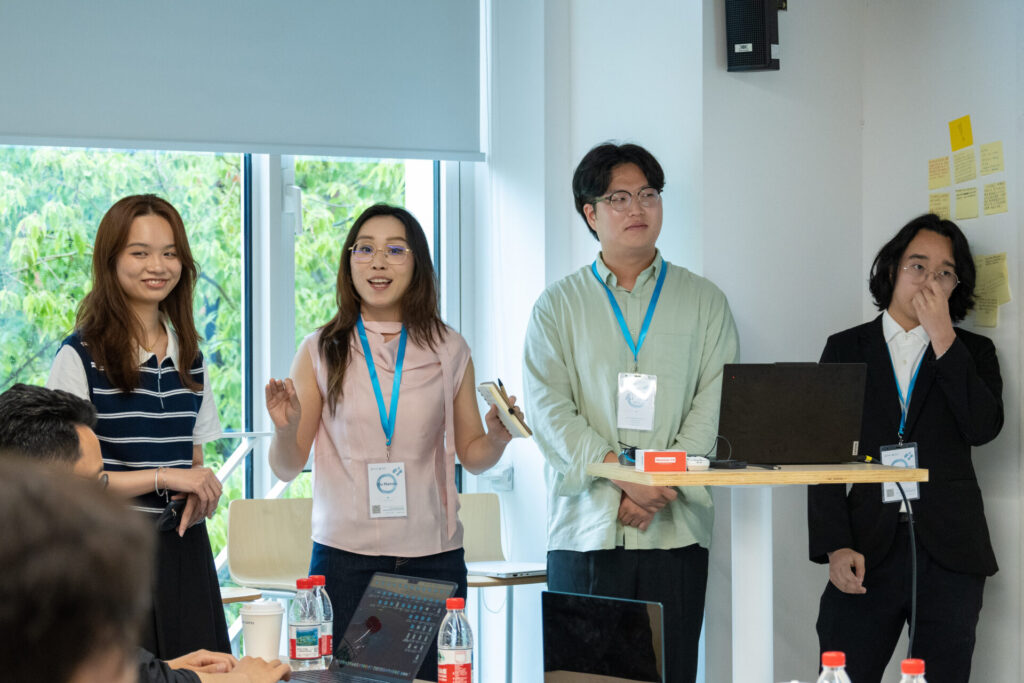
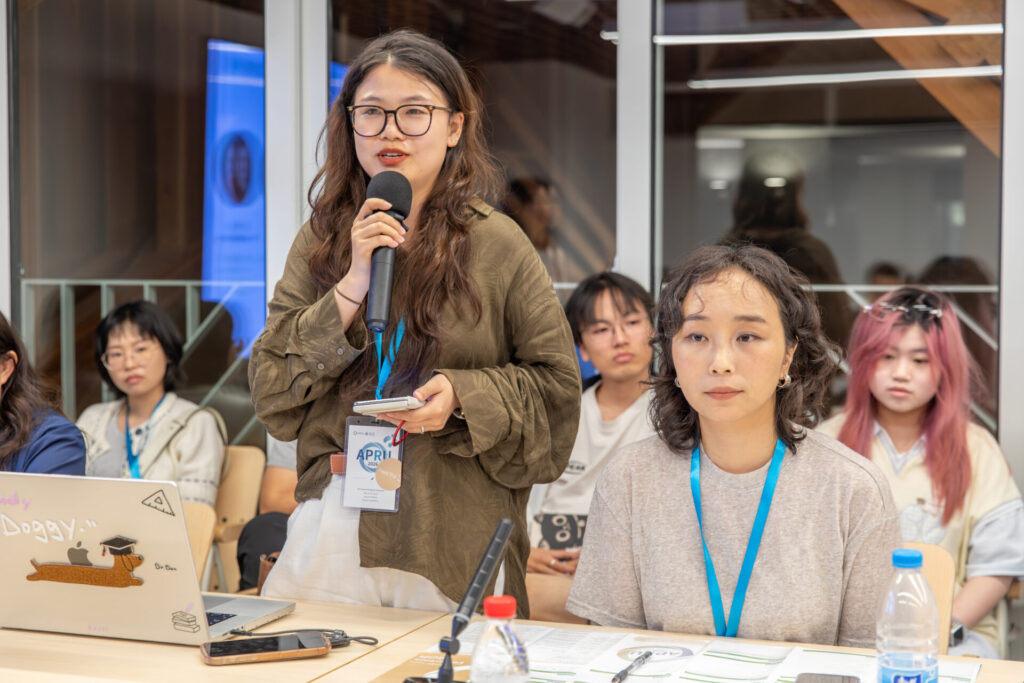
The annual conference featured a rich agenda and a wide range of topics, reflecting its international, academic, and practice-oriented focus. The five thematic parallel forums respectively addressed “Climate Risks, Adaptive Transformation, and Resilience Design,” “Heritage Conservation, Community Renewal and Inclusive Design,” “Landscape Perception, Health and Well-being, and Biodiversity,” “Urban Ecological Infrastructure and Regional Resilience Networks,” and “Digital Technology, Smart Governance, and Innovation in Human Settlements.”
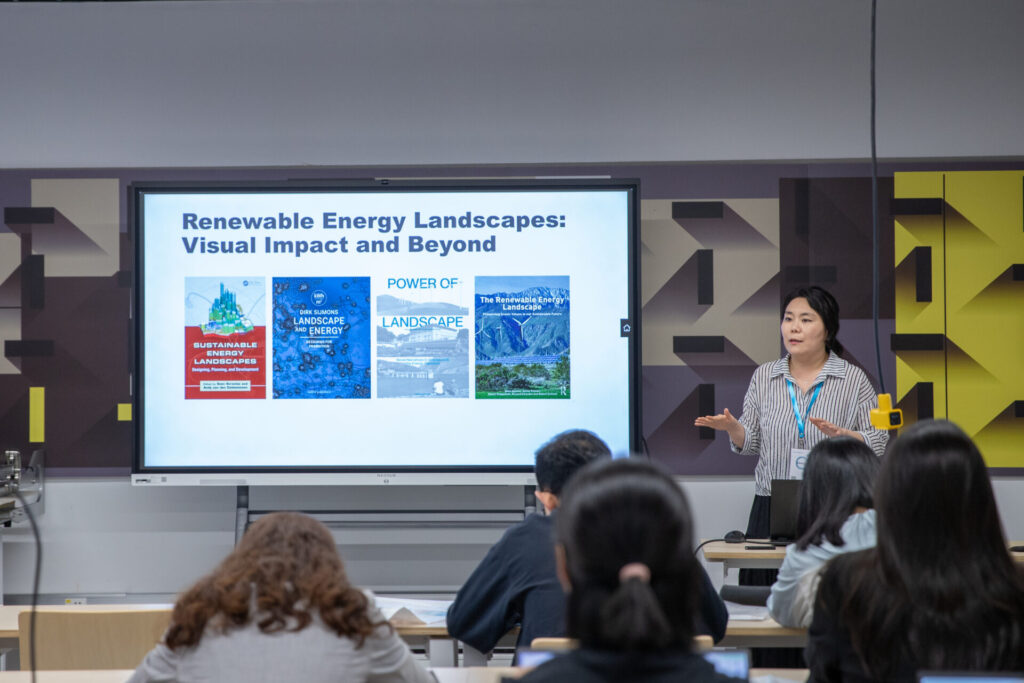
The eight working groups covered topics including “Climate Justice and Community Resilience / Climate Adaptation and Urban Transformation,” “Landscape and Human Health,” “Urban Landscape Biodiversity,” “Human Development and Nature Preservation,” “Botanical Urbanism,” “Urban AI and Smart Cities,” “Civic Engagement and Community Design,” and “Moral Ecologies of Infrastructure / Water and Waste Management.”
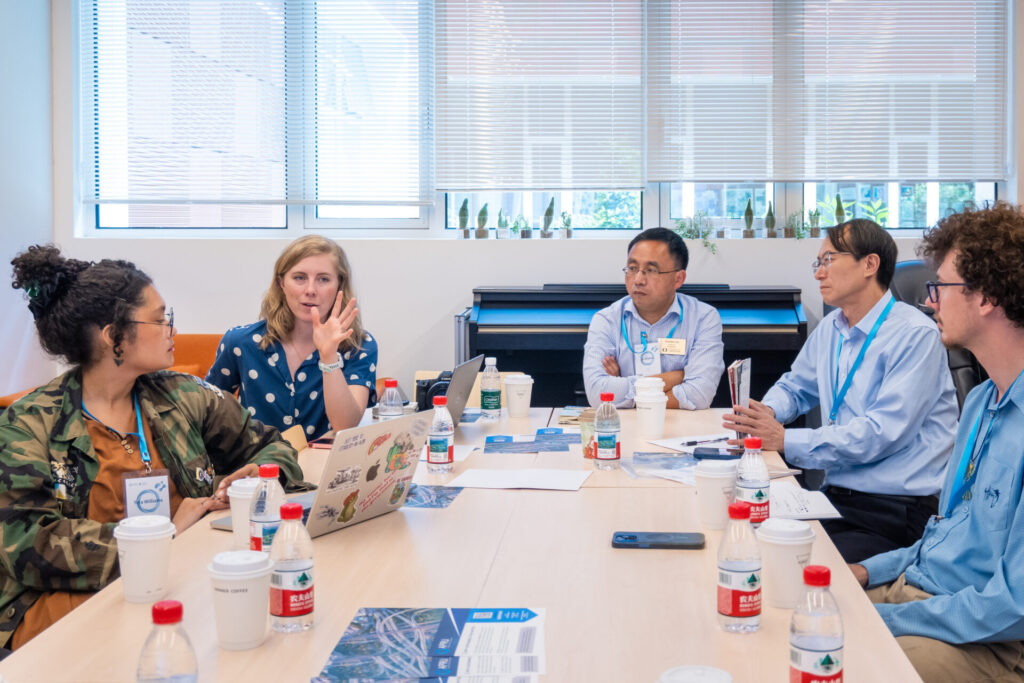
The conference also featured discussions on journal publication, student symposiums, field trips, a white paper release, promotion awards, and a closing summary. Editors-in-chief and senior editors from major international and Chinese journals, including Landscape and Urban Planning, Landscape Ecology, Building and Environment, Urban Climate, Urban Ecosystems, Chinese Landscape Architecture, and Urban Planning Forum, were invited to participate in the exchanges, providing a high-level academic platform for scholars and young students from China and abroad.
Toward a Resilient, Equitable, and Sustainable Future
In the face of shared challenges such as climate change, resource constraints, biodiversity loss, increasing risks from natural disasters, and urban-rural transformation, research on cities and landscapes is no longer limited to the construction of physical space. Rather, it has become a complex field involving ecological security, public health, social equity, cultural continuity, technological governance, and regional collaboration.
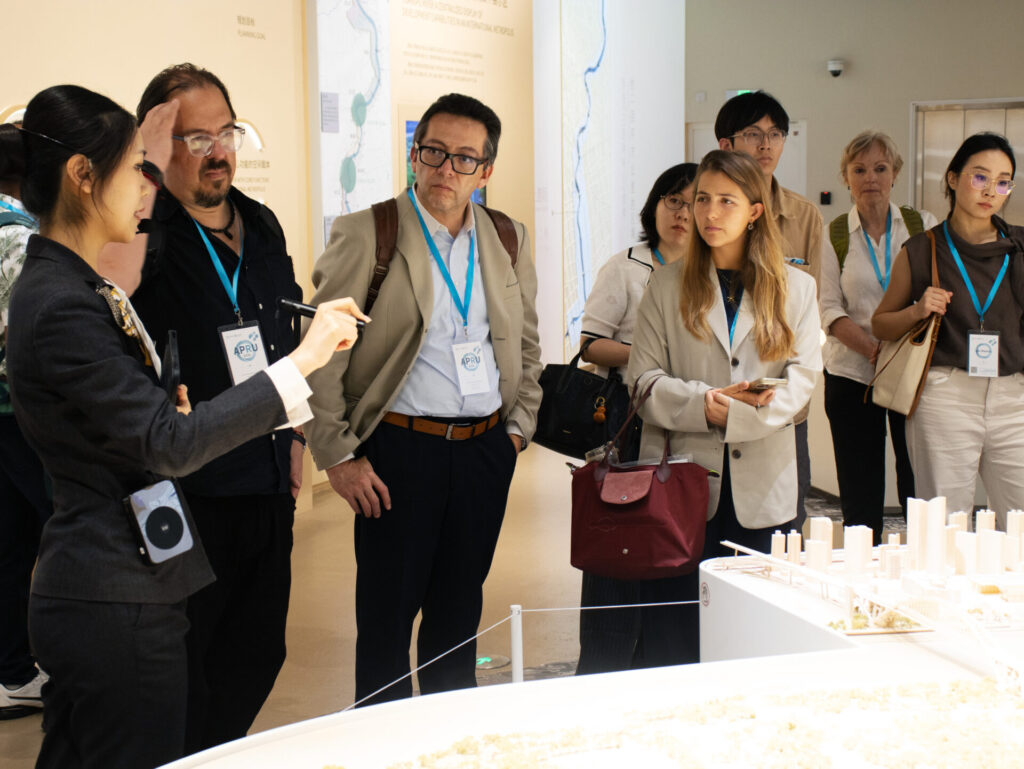
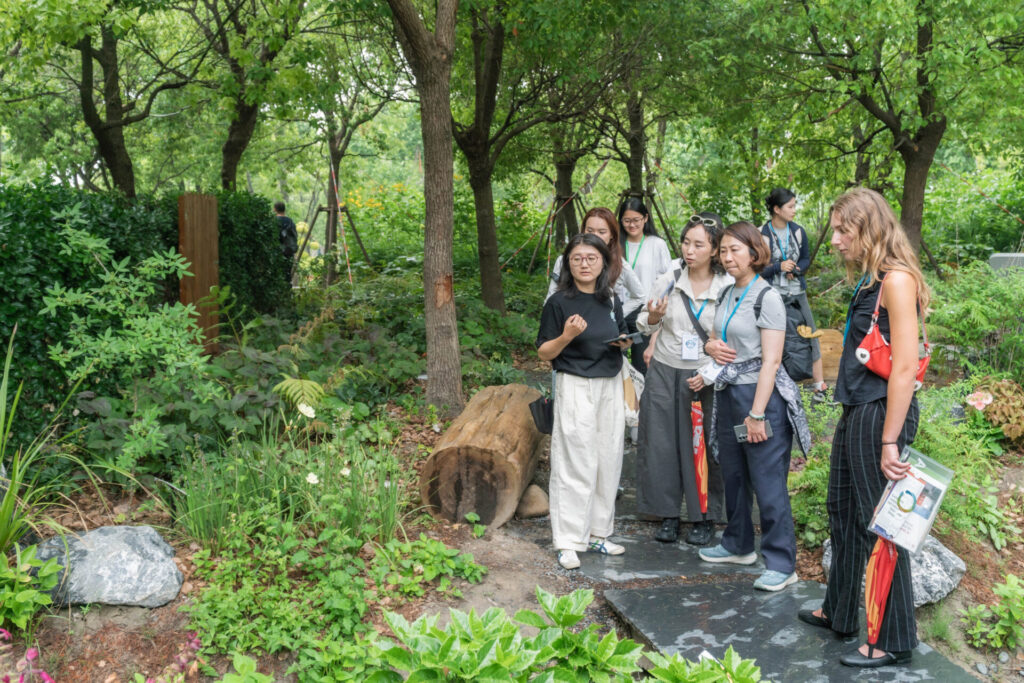
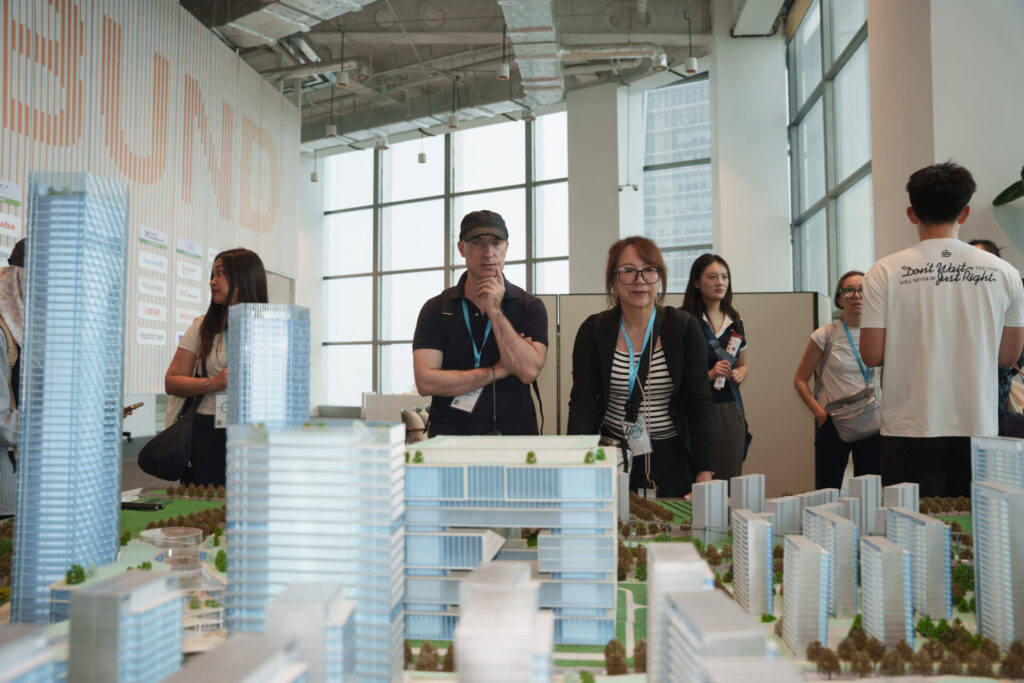
Driven by diverse themes and in-depth dialogue, the conference brought together insights from universities, research institutions, and professional practice around the world, further advancing academic exchange and collaborative cooperation on sustainable cities and landscapes across the Pacific Rim. The urban challenges facing the Pacific Rim cannot be addressed by any single region alone. By transcending national boundaries, the conference aimed to build a collaborative platform for shared responsibility and shared knowledge, injecting new momentum into the creation of a future for human settlements in which humanity and nature coexist harmoniously.